How to Choose the Right
Mosaic Tiles for Your Home
Mosaic tiles offer an incredible amount of choice. With so many options available, they give you the freedom to create something that’s truly personal and tailored to your space. That level of choice can sometimes make it hard to know where to start.
In practice, choosing the right mosaic tiles is about understanding how the space will be used and the kind of atmosphere you want to create. A design that looks great in isolation doesn’t always make sense in a busy family bathroom or across a large space, for example.
This guide explores the key things we encourage people to think about when choosing mosaics for any tiling project. Take it step by step, and you’ll be able to make confident, practical choices that feel right for the way you live.
Key Takeaways
-
Let the space guide your choices: Wet or dry areas, walls or floors, and feature zones should shape every decision that follows.
-
Choose for performance as well as looks: Materials vary in durability, water resistance, and maintenance, which affects long-term satisfaction.
-
Consider light, colour, and finish together: Reflective finishes and lighter colours brighten darker spaces, while matt finishes and deeper tones suit brighter rooms.
-
Grout is an important part of the design: With mosaics, grout lines are highly visible and should be chosen alongside the tiles.
-
Scale and layout matter more than you might expect: Bold mosaics usually work best in defined areas, while calmer designs suit larger surfaces.
Location: Start With Where the Tiles Will Be Used
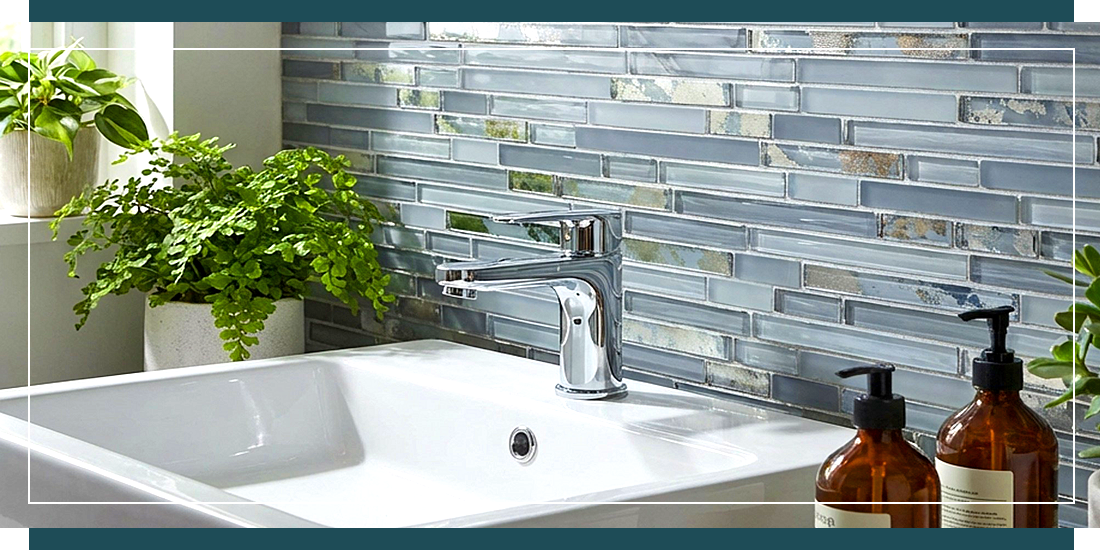
When choosing mosaic tiles, the most important starting point is where they’ll be installed. How a space is used has a direct impact on which mosaics will perform well, how they’ll age, and how easy they’ll be to live with over time.
Before thinking about colour or material, it helps to define the conditions the tiles will need to handle.
Key questions to ask first
-
Is the area wet or dry?
-
Will the tiles be installed on a wall or a floor?
-
How much daily wear will the area experience?
Wet areas vs dry areas
-
Wet areas require moisture-resistant materials
-
Dry areas allow more flexibility in finish and texture
Tiles used in wet areas such as showers, splashbacks, or around sinks need to cope with regular exposure to water, steam, and cleaning products. In these spaces, material choice and finish play a bigger role in long-term performance. Options such as glass work particularly well here due to being naturally non-porous and easy to keep clean.
Dry areas, such as feature walls or decorative panels, are less demanding and allow for a wider range of materials and finishes, including more textured or delicate options.
Our tiling experts say: “We often see people fall in love with a mosaic without considering where it’s going. A tile that’s perfect for a feature wall may not always be the best choice for a shower or splashback.”
Walls vs floors
-
Walls place less physical stress on tiles
-
Floors need to handle foot traffic and impact
Most mosaic tiles are suitable for wall use, which gives you plenty of freedom in terms of design. Floors, however, place much greater demands on tiles. Mosaics used on floors need to be durable, appropriately rated, and comfortable underfoot.
The small tile format of mosaics can be an advantage on floors, particularly in wet areas, as the increased number of grout lines can improve grip. However, suitability should always be confirmed at product level.
However, you shouldn’t assume a mosaic can be used on the floor just because it looks similar to another tile. Always check it’s designed for that purpose before committing.
Feature areas vs larger surfaces
-
Feature areas allow for bolder designs
-
Larger surfaces often benefit from calmer choices
Mosaics are often used to create focal points such as splashbacks, niches, alcoves, or accent panels. In these kinds of areas, stronger colours, higher contrast, or more decorative finishes can really shine.
When mosaics are used across larger areas, such as full walls or floors, calmer colours and simpler layouts tend to create a more balanced result. This helps avoid visual overload and makes the space easier to live with long term.
Our tiling experts say: “Some of the most successful designs use mosaics sparingly. A well-placed feature or focal point can have far more impact than covering every surface in the same bold design.”
How the space is used day to day
-
High-traffic areas need durability
-
Quieter spaces allow more freedom
It’s also important to think about how the space will be used daily. Busy family bathrooms, kitchens, or hallways may benefit from mosaics that are easy to clean and resistant to wear. In contrast, decorative areas or guest spaces allow for more flexibility and design-led choices.
A tile that looks great but doesn’t suit how the room is used can quickly become a frustration. Durability and practicality always need to be part of the decision.
Materials: Ensuring Tiles Offer The Properties You Need
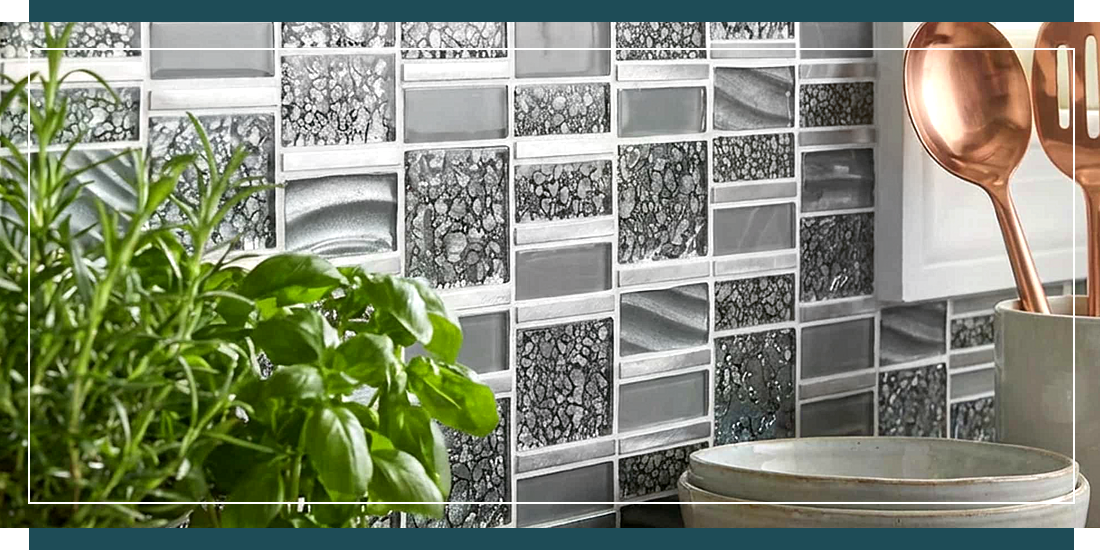
Once you know where your mosaic tiles will be used, the next step is choosing the right material. While mosaic tiles may look similar at first glance, different materials behave very differently in terms of durability, maintenance, and suitability for certain spaces.
Rather than asking which material is best, it’s more useful to consider what each material is best suited for, and how it will perform in real, everyday use.
Glass mosaic tiles
Best for:
-
Showers and wet areas
-
Kitchen splashbacks
-
Smaller or darker spaces
Consider if:
-
You want low maintenance and strong water resistance
-
You like clean, light-reflective finishes
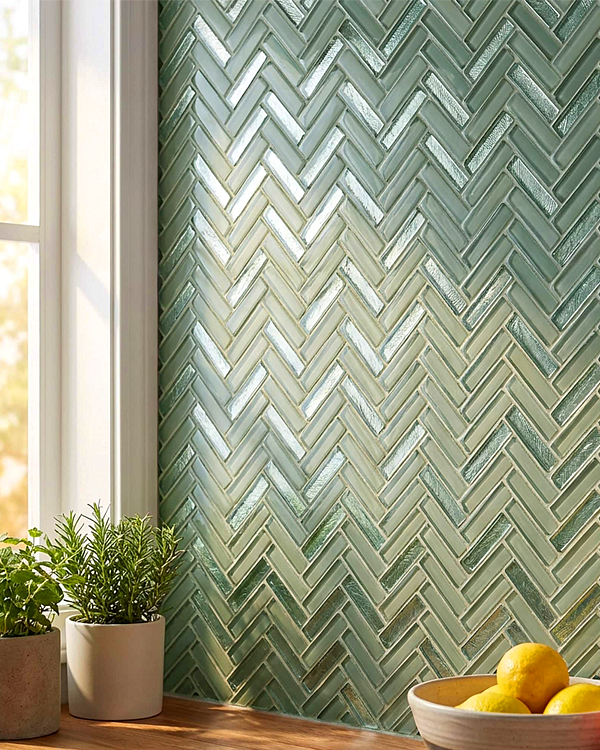
Glass mosaic tiles are one of the most popular choices for a reason. Their non-porous surface makes them highly resistant to water and staining, which is why they’re so commonly used in bathrooms, showers, and kitchens. Glass also reflects light extremely well, helping to brighten spaces and make them feel more open.
Because colour runs through the tile rather than sitting on the surface, glass mosaics offer strong, consistent colour that holds up well over time. They’re also straightforward to clean, making them a practical option for busy households.
Our tiling experts say: “Glass mosaics are one of the most forgiving materials to live with. If you want something that looks good, handles moisture well, and stays easy to maintain over time, glass is often the safest all-round choice, and especially well suited to kitchens and bathrooms.”
Stone mosaic tiles
Best for:
-
Feature walls and decorative areas
-
Natural or textured interior schemes
Consider if:
-
You’re happy with sealing and a little extra care
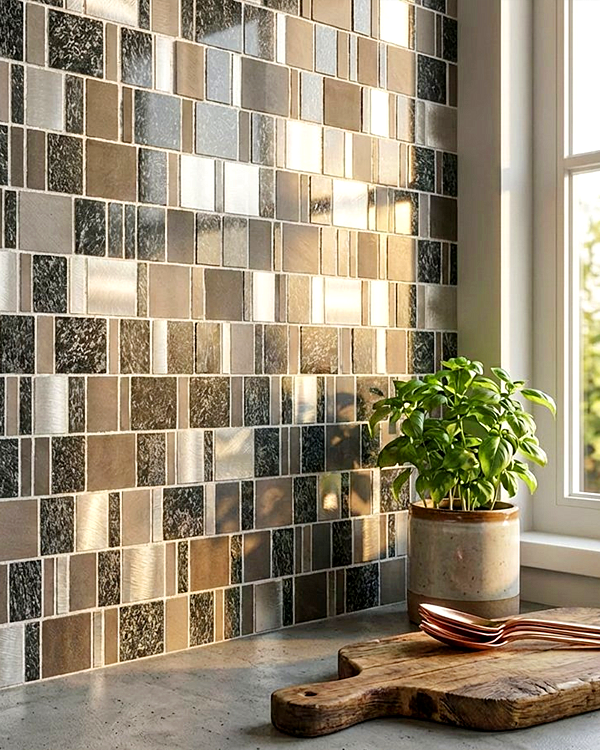
Stone mosaic tiles introduce natural texture and subtle variation that manufactured tiles can’t replicate. Materials such as limestone and slate bring warmth and depth to a space, making them particularly effective in feature areas.
Stone is porous, so it usually requires sealing and more considered cleaning. For this reason, stone mosaics are often best used where their appearance can be appreciated without being exposed to constant wear or heavy moisture.
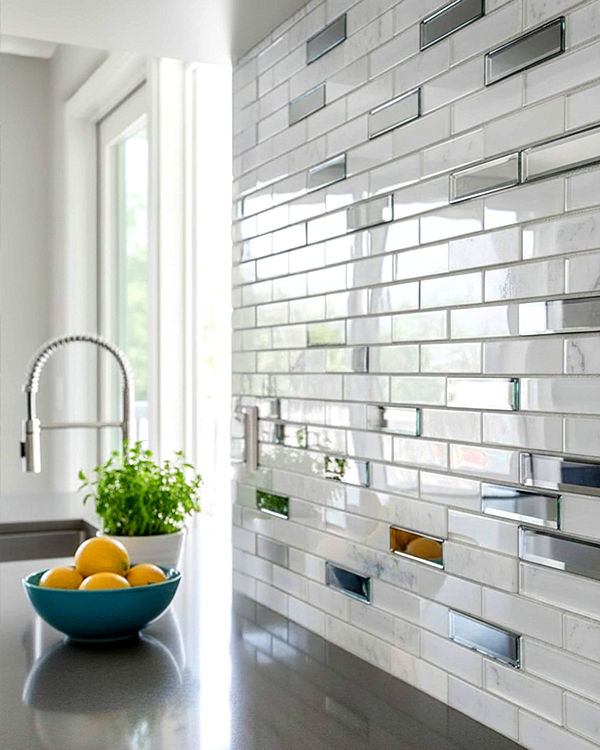
Marble mosaic tiles
Best for:
-
Decorative features and statement areas
-
Interiors aiming for a refined, timeless look
Consider if:
-
You want to add a touch of luxury to a space
-
You’re prepared for regular care and sealing
Valued for their natural veining and tonal movement, marble mosaics add detail without relying on bold colour or pattern. In mosaic form, marble feels more subtle and controlled than large slabs, making it suitable for niches, splashbacks, and feature panels.
Like other natural stones, marble requires sealing and gentle maintenance. It’s often chosen where visual quality is prioritised and the surface won’t be subject to heavy wear.
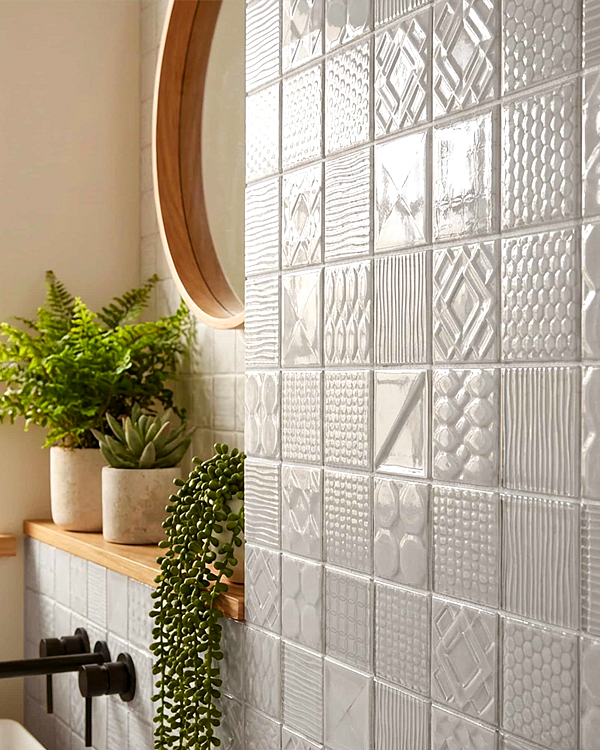
Ceramic mosaic tiles
Best for:
-
Wall applications
-
Practical, everyday spaces
Consider if:
-
You want versatility and easy maintenance
Ceramic mosaic tiles are a dependable, versatile option. Their glazed surface makes them easy to clean and resistant to staining, while the range of colours and finishes available allows them to suit both modern and traditional interiors.
Ceramic mosaics are particularly well suited to walls, where durability and ease of care are important. They’re often chosen when a balance of practicality and design flexibility is needed.
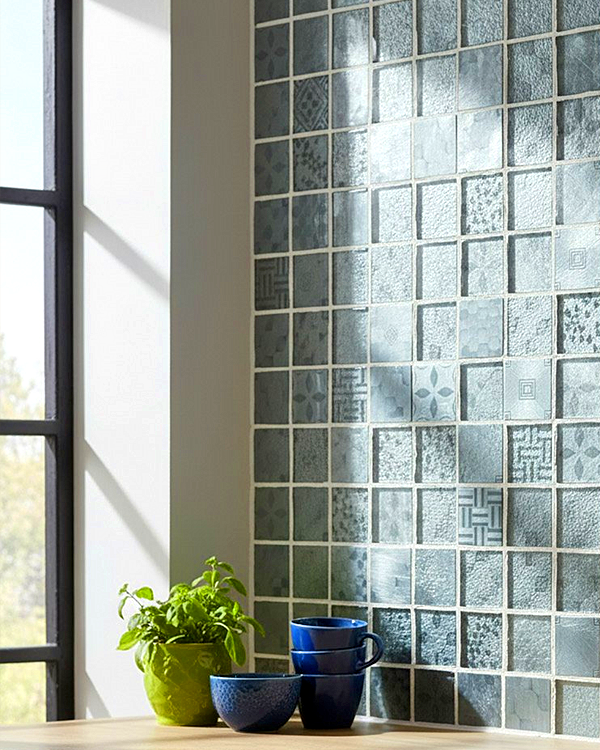
Metallic mosaic tiles
Best for:
-
Accent areas and feature detailing
-
Contemporary or industrial-inspired interiors
Consider if:
-
You plan to use them sparingly
Metallic mosaic tiles are typically used as design accents rather than full surfaces. Their reflective finish and structured appearance make them ideal for adding contrast and definition in small areas such as feature strips or splashbacks.
When they’re used thoughtfully, metallic mosaics can really elevate a design. Overused, they can feel visually heavy, which is why they tend to work best in controlled doses, or as part of a mixed material mosaic sheet.
Our tiling experts say: “Material choice is where we see the biggest long-term impact. People often choose mosaics based on appearance alone, but it’s how the material behaves day to day in terms of cleaning, moisture, and wear that determines whether it still feels like the right choice years later.”
Maintenance & Lifestyle: Tiles That Work For You Long-Term
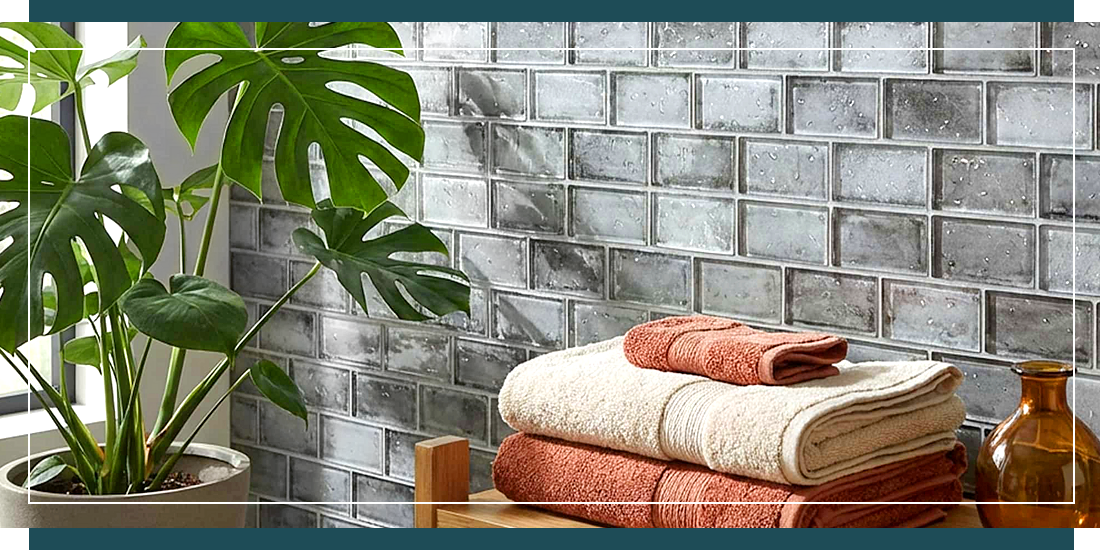
While it’s important to choose a mosaic you love the look of, it’s also important to opt for one that is easy to live with and that fits comfortably into your day-to-day life.
Different materials and finishes come with different maintenance requirements, so it’s important to match your choice of tile to how you need it to work in your space.
Consider your maintenance preferences
-
Some mosaics require very little ongoing care
-
Others need sealing and more considered cleaning
Low-maintenance mosaics, such as glass and ceramic, are heat resistant, water resistant, very easy to wipe clean, and don’t require sealing. They’re often the most practical choice for kitchens, busy bathrooms, or rental properties where ease of upkeep is important.
Natural materials like stone and marble usually require sealing and gentler cleaning products. Many people are happy to take this on for the look these materials provide, but it’s worth being realistic about the extra care involved.
Think about who uses the space
-
Busy households benefit from durable, easy-clean surfaces
-
Quieter or decorative spaces allow more flexibility
In family homes, kitchens and bathrooms are often used heavily. In these spaces, mosaics that handle moisture well and clean easily, such as glass, tend to perform best over time.
In less frequently used areas, for example guest bathrooms, cloakrooms, or feature walls, you may feel more comfortable choosing a mosaic that prioritises appearance over practicality, or that requires a little more maintenance.
Look beyond short-term trends
-
Timeless choices age better than trend-led designs
-
Practical decisions tend to feel and work better for longer
While mosaic tiles themselves are timeless, certain colours, finishes, or combinations can feel dated more quickly than others. Choosing materials and finishes that suit your lifestyle often leads to designs that still feel right years down the line.
In terms of maintenance, a tile that’s well suited to the space often provides better long term value because it will be easy to live with, and stay looking its best, for years to come. This doesn’t mean avoiding personality, it simply means being thoughtful about where and how more expressive mosaics are used.
Our tiling experts say: “Some of the biggest regrets we see aren’t about colour or pattern, but about maintenance. Tiles that are easy to live with almost always age better than tiles that constantly demand attention.”
Colour, Finish & Light: How Mosaics Will Look in Your Space
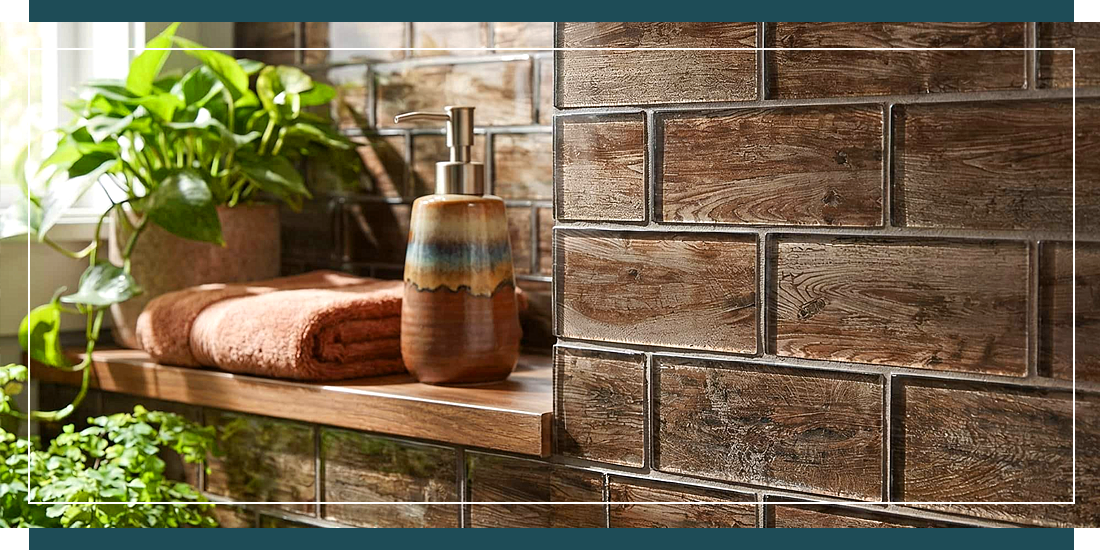
Colour and finish play a particularly important role with mosaic tiles. Because mosaics are made up of many small pieces with visible grout lines, they interact with light very differently to larger tiles. Understanding this early helps you choose mosaics that feel balanced once installed, not just attractive on a sample board.
Start with light levels
-
Darker or smaller rooms benefit from lighter colours and reflective finishes
-
Bright spaces can comfortably handle deeper tones and matt finishes
Light has a strong influence on how mosaic tiles are perceived. In rooms with limited natural light, lighter mosaics and gloss or polished finishes help bounce light around the space, preventing walls from feeling flat or enclosed. This is particularly effective in small bathrooms, shower enclosures, or narrow splashback areas.
In brighter rooms, you have more flexibility. Deeper colours, softer tones, and matt finishes can create a more grounded, considered look without making the space feel heavy. In these environments, mosaics add texture and depth rather than acting purely as a light-enhancing surface.
Our tiling experts say: “Always look at samples in the room they’ll be installed in. The same mosaic can feel completely different depending on natural light, artificial lighting, and the time of day.”
Choose the right finish for the atmosphere you want
-
Gloss and polished finishes reflect light and feel crisp and contemporary
-
Matt and textured finishes absorb light and create a softer appearance
The finish of a mosaic tile affects both its visual impact and the overall mood of the space. Gloss and polished mosaics tend to feel cleaner and more modern, which is why they’re often used in kitchens and contemporary bathrooms.
Matt or lightly textured mosaics create a more subtle, understated effect. They work well in interiors where you want warmth and softness rather than shine, and they pair particularly well with natural materials such as wood or stone.
Think about the wider design, not just the tile itself. A high-gloss mosaic can lift a minimalist space, while a matt finish can help balance rooms with a lot of reflective surfaces.
Don’t overlook the role of grout
-
Matching grout creates a seamless, unified look
-
Contrasting grout highlights tile shape and pattern
With mosaics, grout is never an afterthought. Because there are more grout lines than with larger tiles, the colour you choose plays a major role in the final appearance.
A closely matched grout allows the mosaic to read as a single surface, which works well for calm, cohesive designs. A contrasting grout, on the other hand, emphasises the pattern and individual tile shape, creating a more decorative effect.
Our tiling experts say: “Many people underestimate how strong a contrast grout can look once installed. If in doubt, subtle contrast tends to age better than very high contrast across large areas.”
Decide how bold you want to be
-
Strong colours and contrast work best in smaller areas
-
Larger surfaces usually suit calmer designs
Mosaics are excellent for adding personality, but scale matters. Bold colours, metallic finishes, or high-contrast designs often look best when used in defined areas such as splashbacks, niches, or feature panels.
Covering very large surfaces with highly decorative mosaics can sometimes feel overwhelming, especially in smaller rooms. Using calmer mosaics for larger areas and reserving bolder designs for accents often creates a more balanced, timeless result.
Our tiling experts say: “If you’re torn between bold and subtle, use bold mosaics as accents and keep larger areas more restrained. This approach gives you impact without overcommitting, and tends to stand the test of time better than all-over statement designs.”
Layout & Scale: Ensuring Cohesion With Your Overall Design
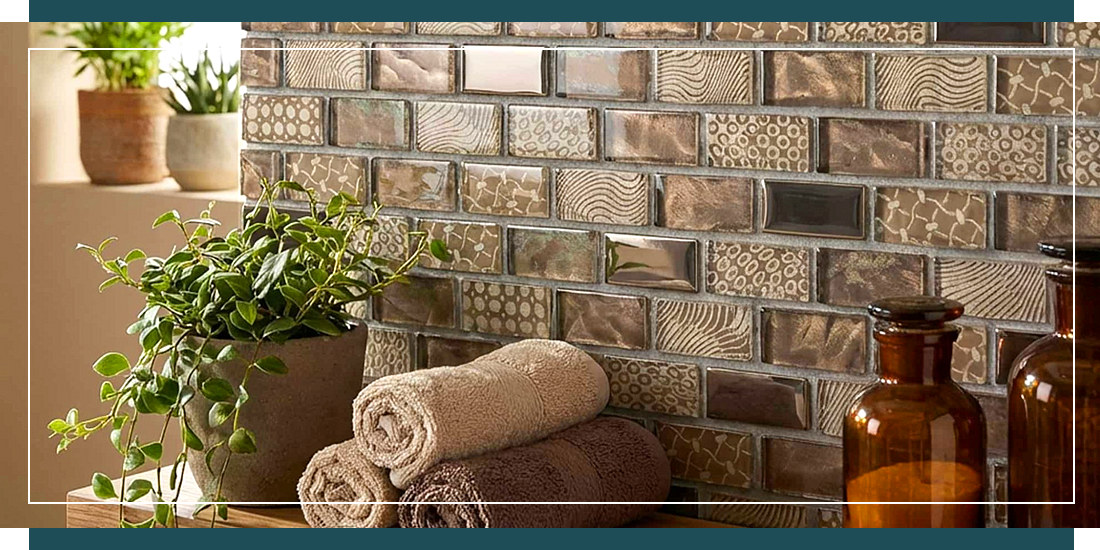
Although mosaic tiles are usually supplied on sheets, the layout and scale of the design still have a huge influence on how the finished surface looks and feels. Thinking about this early helps ensure mosaics feel intentional and well balanced, rather than visually overwhelming once installed.
How busy do you want the surface to feel?
-
Intricate patterns and strong contrast create visual energy
-
Simpler layouts and softer palettes feel calmer and more cohesive
Mosaics naturally draw the eye because of their small scale and repeated pattern. Designs with strong colour contrast, multiple finishes, or complex shapes are best used where you want a focal point.
Simpler mosaics, such as single-colour sheets or subtle tonal variations, work better across larger areas, where they add texture without dominating the space.
Our tiling experts say: “If a mosaic already feels busy on a small sample, it will feel much busier once it covers a wall. Unless you’re going for a high-impact statement, more subtle designs tend to scale up far more successfully.”
Match the scale to the size of the room
-
Smaller rooms benefit from defined mosaic zones
-
Larger spaces can handle more repetition and coverage
In compact rooms, covering every surface in highly detailed mosaics can often result in a space that feels visually crowded. But using mosaics in specific areas such as splashbacks or shower walls helps add interest without overwhelming the room.
In larger rooms, mosaics with more repetition or calmer patterning can be used more widely, as the extra space allows the design to breathe.
Think about orientation and layout
-
Linear mosaics can emphasise height or width
-
Uniform shapes create a more balanced, structured look
The way a mosaic is laid can subtly change how a space feels. Rectangular or linear mosaics can be oriented to draw the eye vertically or horizontally, while can help to elongate or expand the space in one direction or another. Square or uniform designs tend to create a more even, orderly appearance.
Although mosaic sheets are pre-arranged, you still have flexibility in how they’re positioned and repeated across a surface. In fact, layout direction is often overlooked, but it is a detail that can have a real impact. A simple change in orientation can make a wall feel taller, wider, more interesting, or more balanced.
Consider how mosaics work with other tiles
-
Mosaics often work best alongside larger tiles
-
Contrast helps each surface feel defined and intentional
Mosaic sheets are frequently used to complement larger-format tiles rather than replace them entirely. Pairing mosaics with larger tiles can help define areas, add detail, and break up expanses of plain surface, especially in kitchens and bathrooms where different zones serve different functions.
Using mosaics selectively often makes them feel more special and allows the overall design to feel more considered. Larger tiles provide visual calm and continuity, while mosaics introduce texture and interest, creating a balanced contrast that prevents the space from feeling either too busy or too flat.
Our tiling experts say: “One of the most effective ways to use mosaics is as a contrast to simpler tiles. When everything is decorative, nothing stands out, but mixing mosaics with larger, plainer tiles usually creates a more refined result with just the right level of design flair.”
Floors vs Walls: Check Suitability For Your Project
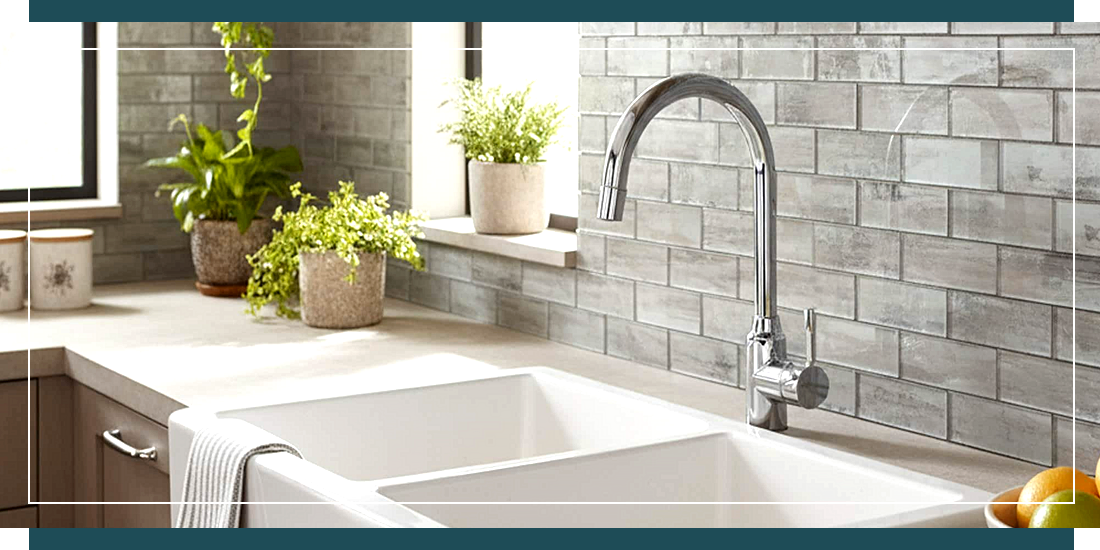
Not all mosaic tiles are suitable for both walls and floors, even if they look similar. Before making a final decision, it’s important to understand how mosaics perform in vertical versus horizontal applications, and what to check to ensure safety, durability, and a good finish.
Using mosaic tiles on walls
-
Most mosaic tiles are suitable for wall use
-
Walls allow greater flexibility in material and finish
Wall installations place far less physical stress on tiles than floors. This means you can usually choose from a wider range of mosaic materials, finishes, and decorative designs without compromising performance.
Walls are also where mosaics tend to shine visually. Feature walls, splashbacks, niches, and accent panels allow mosaics to add texture and interest without needing to withstand heavy wear.
Our tiling experts say: “Walls give you the most freedom with mosaics. As long as the tile is suitable for the environment, for example a wet area, walls are where you can really lean into design.”
Using mosaic tiles on floors
-
Floor mosaics must be rated for floor use
-
Durability and safety are key considerations
Floors place much greater demands on tiles. Mosaic tiles used on floors need to cope with foot traffic, potential impact, and increased exposure to moisture. Not all mosaics are designed for this, so checking product specifications is essential.
One advantage of mosaics on floors is their small tile size. The increased number of grout lines can improve grip, which is why mosaics are often used on shower floors. However, this doesn’t automatically mean all mosaics are slip-resistant, because suitability still depends on material and finish.
Our tiling experts say: “We always tell customers not to assume a mosaic is floor-safe just because it’s small. Slip rating and durability matter far more than size.”
Slip resistance and safety
-
Slip resistance is particularly important in bathrooms, wet areas, and around swimming pools
-
You should always confirm the slip rating of any tile you plan to install in these areas
In areas exposed to water, such as bathrooms or wet rooms, slip resistance is a key factor. Some mosaic materials and finishes such as stone naturally provide more grip than others, such as glass. The high ratio of grout lines to tile that you get with mosaics can also aid traction on wet floors.
That being said, slip resistance should never be assumed. Always check whether the specific mosaic tile has been tested or rated for use in wet or floor applications.
Tile thickness and transitions
-
Thickness matters when mixing mosaics with larger tiles
-
Planning ahead helps avoid uneven surfaces
Mosaic tiles can vary slightly in thickness depending on material and backing. When mosaics are used alongside larger tiles, these differences can affect how neatly surfaces align. While it’s perfectly fine to use tiles of varying thicknesses in the same project, and even on the same surface, it’s important to be aware of any differences so they can be accounted for during installation.
Planning for transitions early, particularly between mosaic floors and larger-format tiles, helps achieve a smooth, professional finish and avoids awkward height differences that in extreme cases can become a trip hazard.
It’s usually simpler to install the thicker tile first, then install the remaining tile (such as your mosaic) up to the same level, using a slightly thicker layer of tile adhesive to make up the difference.
Common Mistakes to Avoid
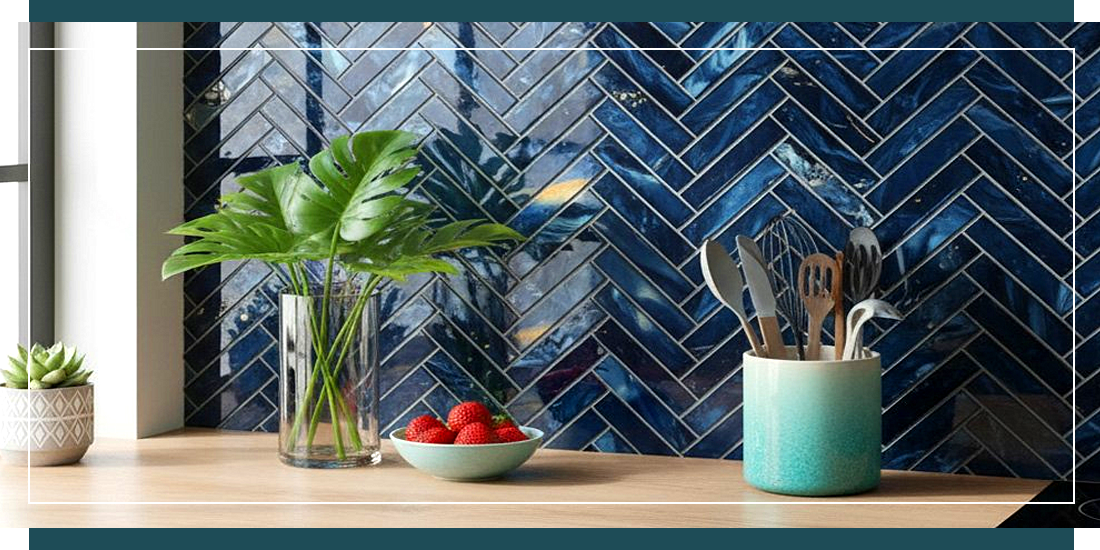
Choosing mosaic tiles is about balancing style with practicality. Over the years, we’ve seen certain mistakes come up again and again, although they’re often made with the best intentions. Being aware of these pitfalls can help you avoid choices that look good initially, but don’t work as well in everyday use.
1. Choosing mosaics based on appearance alone
It’s easy to be drawn to a mosaic because of its colour, finish, or pattern, but tiles that look beautiful in isolation don’t always perform well in every setting. Moisture exposure, wear, and cleaning requirements can all affect how suitable a mosaic really is.
How to avoid it: Start by considering where the tiles will be used and how the space functions day to day. Once suitability is confirmed, then refine your choice based on appearance.
Our tiling experts say: “Some of the biggest regrets come from choosing with your eyes first. A tile only stays beautiful if it’s right for the space.”
2. Underestimating the impact of grout
With mosaics, grout lines make up a large part of the finished surface. Choosing grout as an afterthought can dramatically change the look of the tiles, sometimes creating a much stronger contrast than expected.
How to avoid it: Think about grout colour at the same time as the mosaic. Consider whether you want the grout to blend in or highlight the tile pattern, and test combinations where possible.
3. Using feature mosaics too widely
Bold colours, high contrast, or intricate patterns can feel overwhelming when used across large areas, especially in smaller rooms. What looks striking on a sample can become visually tiring when scaled up.
How to avoid it: Use decorative mosaics in defined areas such as splashbacks, niches, or feature panels, and balance them with calmer surfaces elsewhere.
4. Ignoring scale and layout
Small tiles naturally create more visual detail. Without considering scale and layout, mosaics can make a space feel busy or unbalanced.
How to avoid it: Match the complexity of the mosaic to the size of the space. Simpler designs usually work better across large areas, while bolder mosaics are best reserved for focal points.
5. Not checking suitability early enough
Assuming a mosaic can be used on floors, in wet areas, or alongside other tiles without checking specifications can lead to last-minute changes or compromises.
How to avoid it: Always confirm whether the mosaic is suitable for its intended use before finalising your design. Checking ratings and product information early makes the entire process smoother.
FAQs About Choosing Mosaic Tiles
Choosing Mosaic Tiles: Narrowing Down The Options
Choosing mosaic tiles doesn’t need to feel daunting. Once you take a step back and think about how the space will actually be used, most decisions start to fall into place quite naturally.
In our experience, the mosaics people are happiest with aren’t necessarily the boldest, most expensive, or most complicated ones. They tend to be tiles that suit the room, fit into everyday life, and still look good years down the line.
If you ever feel stuck, it usually helps to simplify things. Start with what has to work; moisture, wear, and ease of cleaning are often non-negotiables. Then let the design follow. That approach gives you far more confidence than trying to choose everything at once.
Mosaic tiles are incredibly versatile, and when they’re chosen thoughtfully, they add texture, character, and personality in a way few other finishes can. With a bit of planning and the right balance between practicality and design, you’ll end up with something that not only looks great, but feels right in your home too.
You can browse our complete range of mosaics online, or get in touch with our friendly tiling experts if you need help or advice in finding the perfect options for your project.
Mosaic Village Is Rated 'Excellent'
 Don't just take our word for it. Hear what our customers have to say!