Types of Mosaic Tiles
Explained & Compared
When choosing mosaic tiles, one of the most important decisions you’ll make is the type of material. While all mosaic tiles share the same small-scale format, different materials behave very differently in terms of durability, maintenance, appearance, and suitability for certain rooms.
From reflective glass mosaics to natural stone and refined marble, each type of mosaic tile has its own strengths and considerations. Understanding these differences will help you choose tiles that not only look right for your space, but also perform well over time.
In this guide, we compare the main types of mosaic tile materials, as this has the greatest influence on how mosaics look, wear, and function in different environments.
Why Mosaic Tile Material Matters
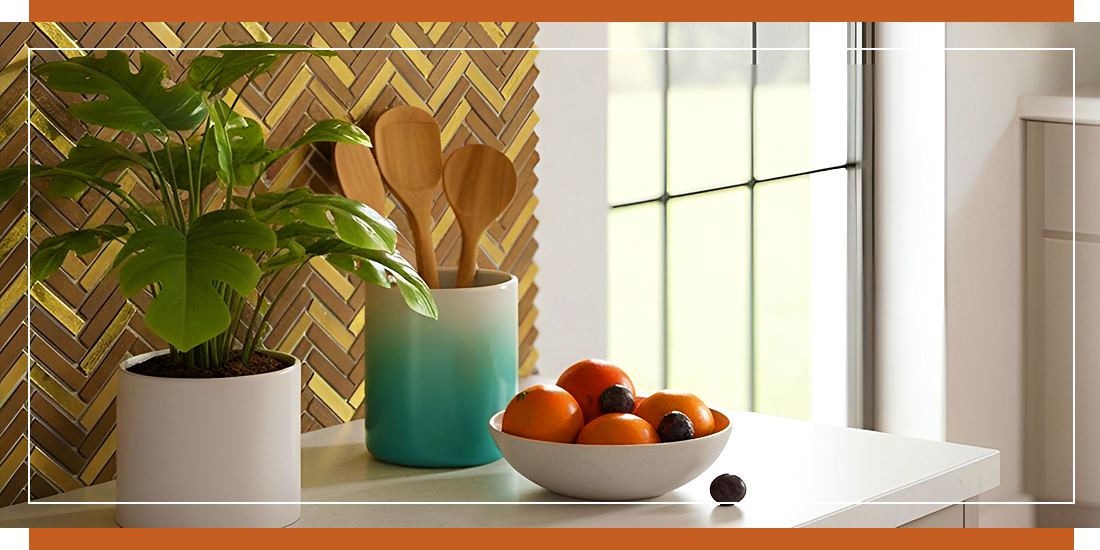
The type of material used to produce a mosaic tile affects far more than just how it looks. It influences:
-
How well the tiles handle moisture
-
Whether sealing is required
-
How easy they are to clean
-
Whether they’re suitable for floors
-
How they feel underfoot or to the touch
-
The overall mood and style of a room
For example, a glass mosaic that works perfectly in a shower may not be the best choice for a high-traffic floor, while a marble mosaic that looks striking on a feature wall may need more care than a ceramic alternative.
Choosing the right material is therefore important to ensure your mosaic tiles remain attractive, functional, and durable for years to come.
Quick Comparison: Types of Mosaic Tiles
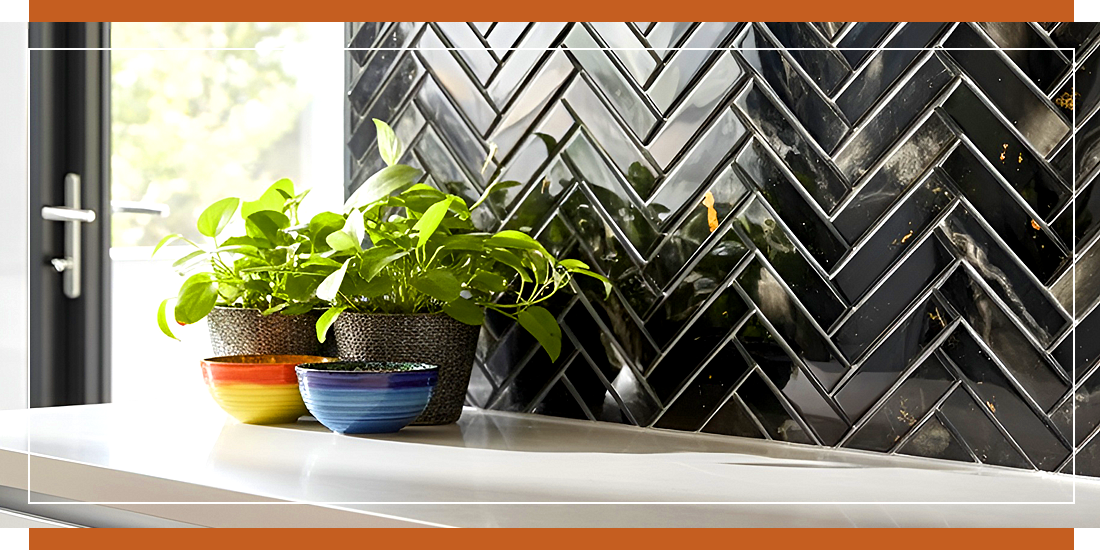
The table below offers a quick overview of how the main types of mosaic tile materials compare at a glance.
Material
Best for
Maintenance
Wet Areas
Style
Glass
Splashbacks, showers, pools
Low
Excellent
Modern
Stone
Spa-style walls
Medium–High
Good (sealed)
Natural
Marble
Feature areas
High
Good (sealed)
Luxury
Ceramic
Walls, splashbacks
Low
Good
Versatile
Metallic
Accent features
Medium
Limited
Contemporary
Glass Mosaic Tiles
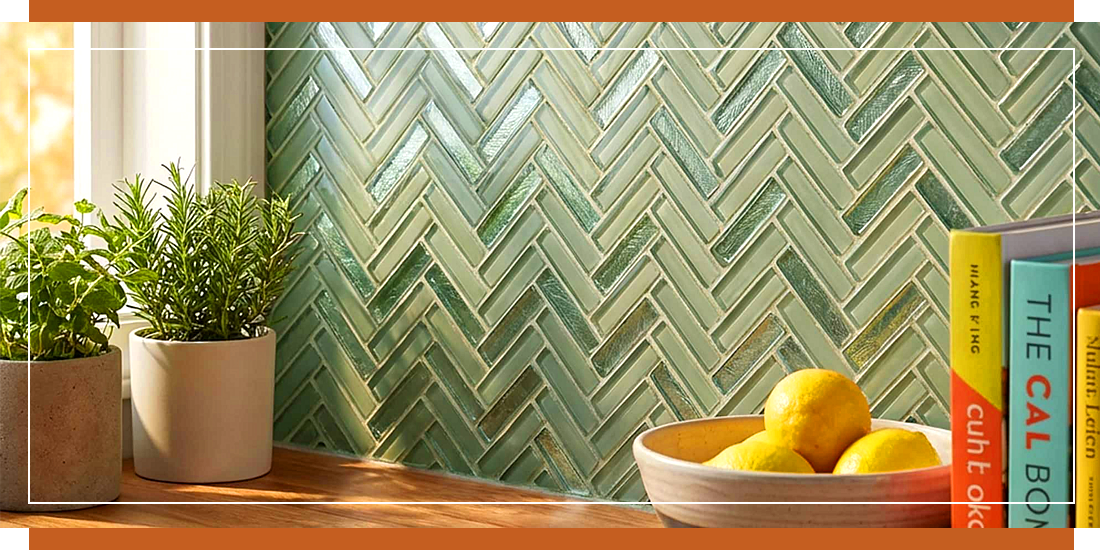
Glass mosaic tiles are a popular choice for kitchens, bathrooms, and swimming pools, appreciated for their clean finish and light-enhancing qualities. Their smooth surface and reflective appearance help create bright, contemporary spaces, particularly in areas with limited natural light.
Available in finishes such as clear, frosted, textured, and iridescent, glass mosaics offer a wide range of design possibilities; from subtle tonal backdrops to eye-catching feature areas.
Best uses
-
Kitchen splashbacks
-
Shower walls
-
Bathroom feature walls
-
Swimming pools and spas
Why choose glass mosaics?
Glass mosaic tiles are often chosen for their performance as well as their appearance. They offer a range of practical benefits when used in real homes:
1. Excellent water resistance
Glass is non-porous, meaning it doesn’t absorb moisture. This makes glass mosaics particularly well suited to showers, splashbacks, swimming pools, and other areas where tiles are regularly exposed to water.
2. Brightens spaces by reflecting light
The smooth, reflective surface of glass mosaics helps bounce both natural and artificial light around a room. This can make smaller bathrooms or darker spaces feel brighter, more open, and more inviting.
3. Strong, consistent colours
Glass mosaics are manufactured with colour running through the tile rather than just on the surface. This results in vibrant, even colouring that won’t fade over time, helping your design look fresh for longer.
4. Easy to clean and maintain
The smooth surface of glass tiles resists staining and can be wiped clean with minimal effort. This makes glass mosaics a practical choice for busy kitchens and bathrooms where easy maintenance is a priority.
5. Hygienic, non-absorbent surface
Because glass doesn’t absorb liquids, bacteria, or odours, it provides a more hygienic surface than porous materials. This makes glass mosaics a reassuring choice for kitchens, bathrooms, and other areas where cleanliness is especially important.
Considerations when using glass mosaics
-
Adhesive colour matters: Because many glass mosaics are translucent or semi-translucent, adhesive colour can affect the final appearance. Using the manufacturer-recommended adhesive helps ensure consistent colour once installed.
-
Surface reflections can highlight unevenness: The reflective nature of glass mosaics can draw attention to uneven substrates. Proper surface preparation is important to achieve a smooth, professional finish.
-
Can feel cooler in tone: Glass mosaics often create a crisp, clean look. In some interiors, they may benefit from being balanced with warmer materials such as wood or natural stone.
Stone Mosaic Tiles
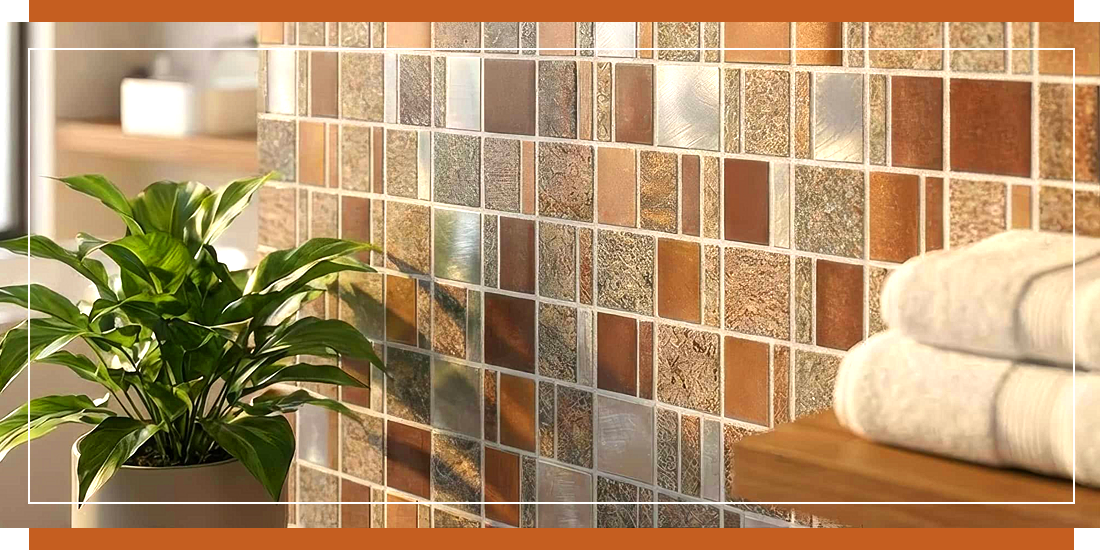
Stone mosaic tiles bring the natural character of materials such as travertine, limestone, and slate into interior spaces. Their organic textures and gentle colour variation create a grounded, relaxed look that feels inherently warm and tactile.
They’re often chosen for bathrooms and feature areas where a softer, more natural aesthetic is preferred, particularly in interiors that prioritise material depth over high-gloss finishes.
Best uses
-
Bathroom walls
-
Feature areas
-
Natural and calming interiors
Why choose stone mosaics?
Stone mosaic tiles are chosen for their ability to introduce natural texture and visual depth. Here are some of the main benefits they offer:
1. Natural, organic appearance
Stone mosaics preserve the inherent qualities of the material, including subtle colour variation and texture. This creates an authentic, lived-in look that brings warmth and character to a space.
2. Adds depth through texture
The gently textured surface of stone mosaics adds dimension without being visually busy. This makes them ideal for feature walls, shower areas, and spaces where you want interest without overpowering the overall design.
3. Creates calm, balanced interiors
With their muted tones and natural finishes, stone mosaics help create interiors that feel composed and harmonious. They pair particularly well with neutral palettes, soft lighting, and natural materials such as timber and brushed metals.
4. Enduring and versatile
Natural stone has been used in architecture for centuries, making it a reliable choice for interiors that aim to feel timeless rather than trend-led. Stone mosaics adapt easily to both contemporary and traditional settings.
5. Naturally tactile surface
Stone mosaics often have a lightly textured finish that feels more tactile than glazed tiles. This adds a subtle sensory quality to walls and floors and can also provide a little more grip underfoot in wet areas, depending on the stone and finish.
Considerations when using stone mosaics
-
Sealing is usually required: Most stone mosaics need sealing to protect against moisture and staining, particularly in bathrooms and kitchens. This is an ongoing maintenance consideration rather than a one-off step.
-
Colour variation is inherent: Natural stone varies from batch to batch. While this adds character, it’s worth viewing multiple sheets together to understand the overall tonal mix before installation.
-
Textured finishes may need gentler cleaning: Stone mosaics with textured surfaces can require more careful cleaning to avoid residue build-up in recesses.
Marble Mosaic Tiles
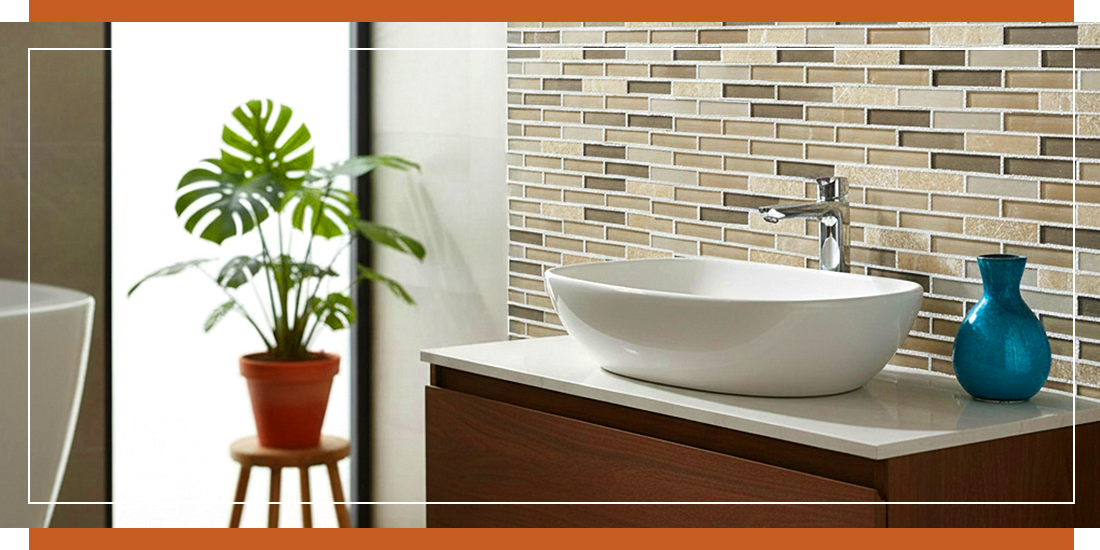
Marble mosaic tiles are defined by their natural veining and tonal movement, which give each installation a refined, distinctive appearance. Rather than relying on colour or pattern, marble mosaics create interest through subtle variation and material quality.
They’re commonly used in kitchens, bathrooms, and architectural features where a sense of permanence and considered design is important.
Best uses
-
Bathroom feature walls
-
Shower niches
-
Kitchen splashbacks
-
Decorative floor sections (where suitable)
Why choose marble mosaics?
Marble mosaic tiles are chosen for their ability to elevate a space through detail and craftsmanship. Key reasons why people opt for this type of mosaic tile include:
1. Distinctive natural veining
No two pieces of marble are exactly the same. The natural veining and tonal variation create visual interest without relying on strong colour or pattern, resulting in a finish that feels calm, detailed, and intentional.
2. Creates a sense of refinement
Marble has long been associated with architectural and interior design, and its use immediately signals quality. In mosaic form, it adds this sense of refinement in a more subtle, controlled way, making it suitable even for smaller areas.
3. Works across classic and contemporary interiors
Marble mosaics adapt easily to different design styles. Pale marbles complement modern, minimalist spaces, while darker or more dramatic varieties work well in traditional or heritage-inspired settings.
4. Ideal for feature areas and detailing
Because marble mosaics draw attention through texture and veining rather than bold colour, they’re particularly effective in niches, splashbacks, and feature panels where you want visual depth without overwhelming the room.
5. Timeless rather than trend-led
Marble has been used in interiors for centuries, making it a safe choice for long-term design. Choosing marble mosaics helps create spaces that feel enduring and considered, rather than driven by short-lived trends.
Considerations when using marble mosaics
-
Sensitive to acidic substances: Marble can react to acidic cleaners or spills, which may etch the surface. Using appropriate cleaning products is essential to maintain its appearance.
-
Sealing and resealing may be needed: To protect against staining and moisture, marble mosaics typically require sealing and periodic resealing, depending on usage and location.
-
Finish affects practicality: Polished marble offers a smooth, reflective finish but may be more prone to showing marks, such as within a shower enclosure. Honed marble provides a softer, more forgiving surface.
Ceramic Mosaic Tiles
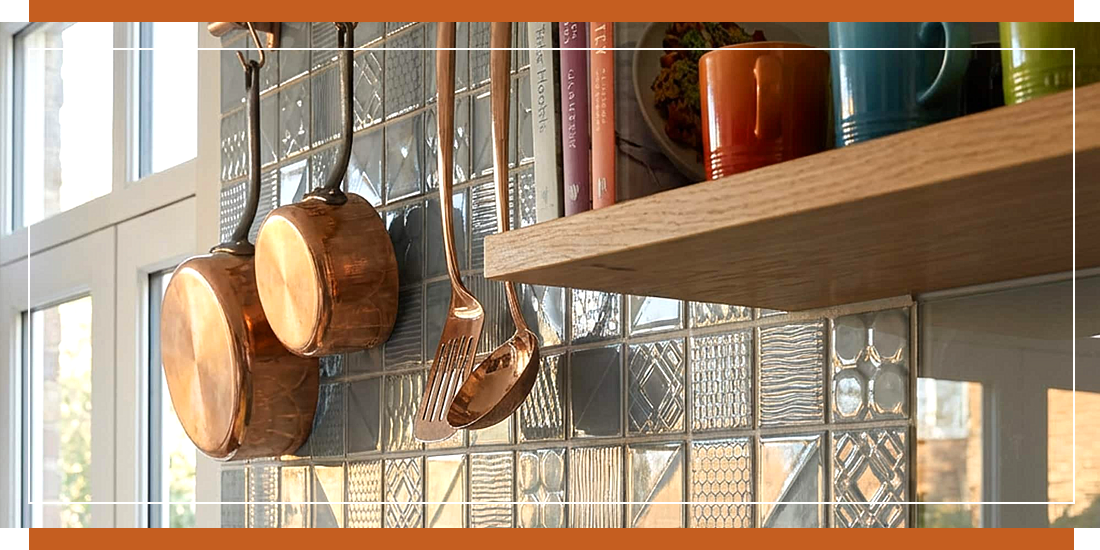
Ceramic mosaic tiles are known for their versatility and consistent finish, making them a dependable choice for a wide range of interior styles. Their glazed surface allows for clean lines and controlled colour, whether used as a neutral backdrop or a design feature.
They’re widely used on walls in kitchens and bathrooms, where practicality, ease of care, and visual clarity are key benefits.
Best uses
-
Kitchen walls and splashbacks
-
Bathroom walls
-
Decorative borders and accents
Why choose ceramic mosaics?
Ceramic mosaic tiles are often chosen for their balance of practicality, versatility, and visual clarity. The offer a number of benefits for everyday use:
1. Reliable and easy to live with
Ceramic mosaics have a glazed surface that resists staining and moisture, making them straightforward to clean and maintain. This makes them particularly well suited to busy households and frequently used spaces.
2. Consistent, clean finish
Because ceramic tiles are manufactured rather than naturally formed, they offer uniform colour and finish across each sheet. This creates a neat, cohesive look that works especially well in contemporary interiors.
3. Versatile across different design styles
Ceramic mosaics adapt easily to both modern and traditional spaces. They can feel crisp and minimal in simple layouts, or more decorative when used with colour, pattern, or contrasting grout.
4. Practical without feeling plain
While ceramic mosaics are often chosen for practical reasons, their range of finishes and layouts means they never need to look basic. Used thoughtfully, they can add just as much visual interest as more premium materials.
Considerations when using ceramic mosaics
-
Ceramic mosaics offer consistency by design: Those seeking the natural variation found in stone or marble may want to factor this into their decision.
-
Floor suitability varies: Not all ceramic mosaics are designed for floor use. Always check whether a tile is rated for floors, especially in wet or high-traffic areas.
-
Glaze finish influences the final look: Gloss finishes reflect light and highlight colour, while matt finishes offer a more subdued appearance. This choice can significantly affect the overall feel of a space.
Metallic Mosaic Tiles
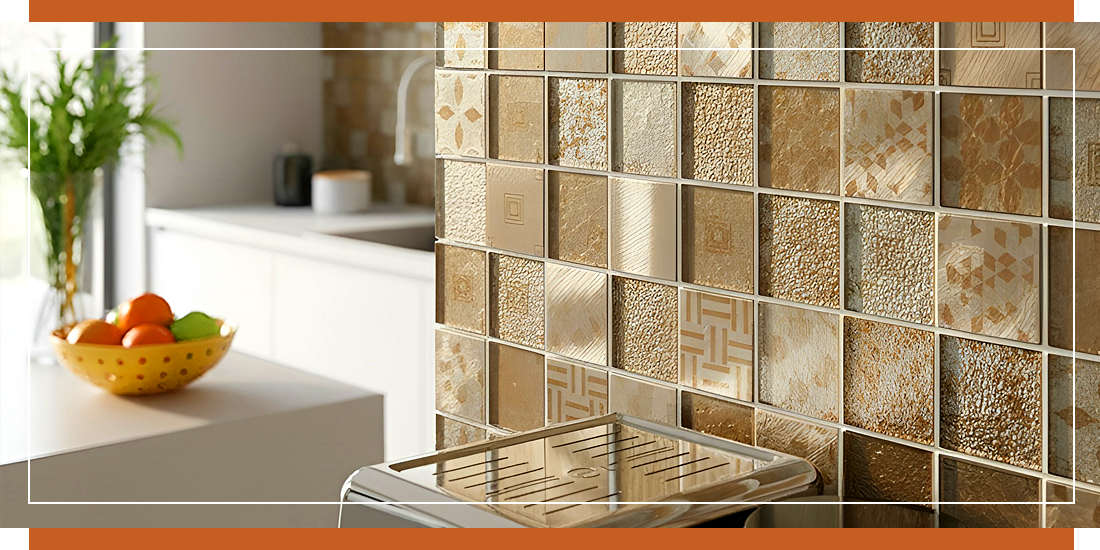
Metallic mosaic tiles introduce a sharp, contemporary accent through their reflective surface and structured appearance. Rather than forming the main surface of a room, they’re typically used to add contrast and definition within a broader design scheme.
Most effective in small doses, metallic mosaics work particularly well alongside softer materials such as ceramic, stone, or wood.
Best uses
-
Kitchen splashbacks
-
Feature strips
-
Contemporary interiors
Why choose metallic mosaics?
Metallic mosaic tiles are chosen for their ability to add definition and contemporary character in a controlled way. They offer a distinct look and provide several key benefits:
1. Creates a modern, architectural accent
The clean lines and reflective surface of metallic mosaics introduce a sharp, structured element to a space. Used sparingly, they add interest and contrast without feeling heavy or over-designed.
2. Adds light and contrast
Metallic finishes catch and reflect light differently to ceramic or stone, helping highlight specific areas such as splashbacks or feature strips. This contrast works particularly well in neutral or monochrome schemes.
3. Works well in small, focused areas
Metallic mosaics are most effective when used in defined zones — such as behind a hob, within a feature strip, or as a border. This makes them ideal for adding detail without overwhelming the overall design.
4. Pairs easily with other materials
Because metallic mosaics are visually distinct, they complement a wide range of materials. They sit comfortably alongside ceramic, glass, marble, and natural stone, adding depth and variation to mixed-material designs.
5. A considered design choice
Rather than being trend-driven, metallic mosaics work best when used intentionally. Their restrained use creates a confident, design-aware finish that feels purposeful rather than decorative.
Considerations when using metallic mosaics
-
Best used in low-moisture areas: Metallic mosaics are generally more suitable for dry or lightly used areas. Prolonged exposure to moisture can affect their surface over time.
-
Surface marks can be more visible: Fingerprints, water marks, or fine scratches may show more easily on metallic finishes, so placement and cleaning approach should be considered.
-
Works best as an accent: Metallic mosaics are most effective when used sparingly. Large installations can feel overpowering, whereas smaller feature areas or metallics used within a mixed material design tend to look more refined.
Which Type of Mosaic Tile Is Best?
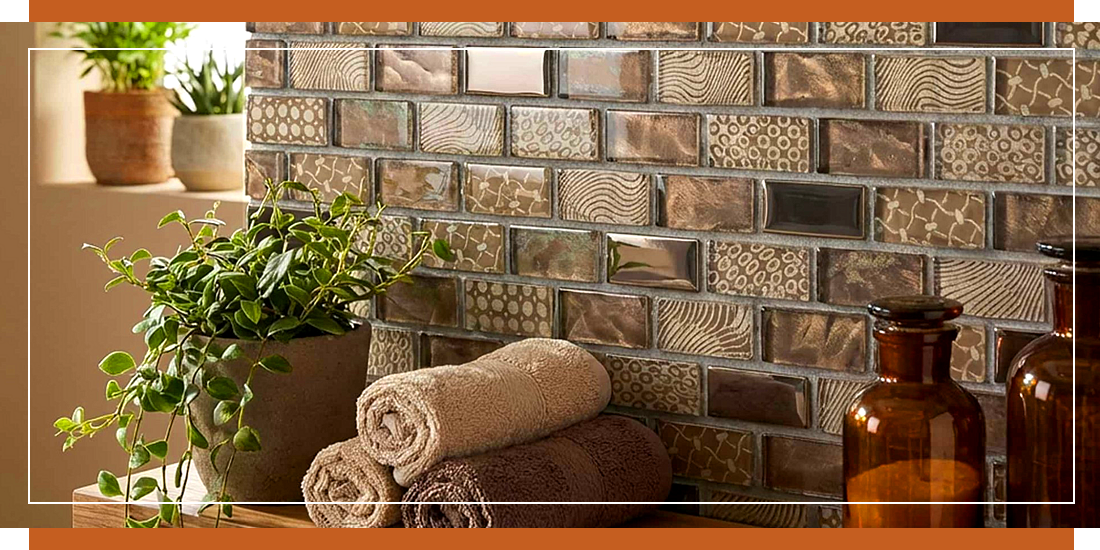
Choosing the right mosaic tile comes down to how the space will be used and the look you want to achieve. The truth is that there’s no single “best” mosaic type of mosaic tile, only the best option for your room, lifestyle, and individual design goals.
Here are some pointers to help you figure out which may be the best choice for your project:
-
For wet areas like showers or pools: glass mosaics are often the best choice.
-
For natural, calming interiors: stone mosaics work beautifully.
-
For luxury and elegance: marble mosaics offer unmatched visual appeal.
-
For practical, everyday spaces: ceramic mosaics provide reliability and value.
-
For modern accents: metallic mosaics add bold contrast and interest.
FAQs
Mosaic Village Is Rated 'Excellent'
 Don't just take our word for it. Hear what our customers have to say!