Glass vs. Ceramic Tiles:
Which Should You Choose?
Choosing tiles is a big part of any renovation, with the right choice able to transform the look and feel of a room. Two of the most popular options are glass and ceramic, and while they may appear similar, each has its own strengths and best uses.
In this guide, we’ll explore the key differences between glass and ceramic tiles, so you can choose with confidence and enjoy results that last.
Aesthetic Differences
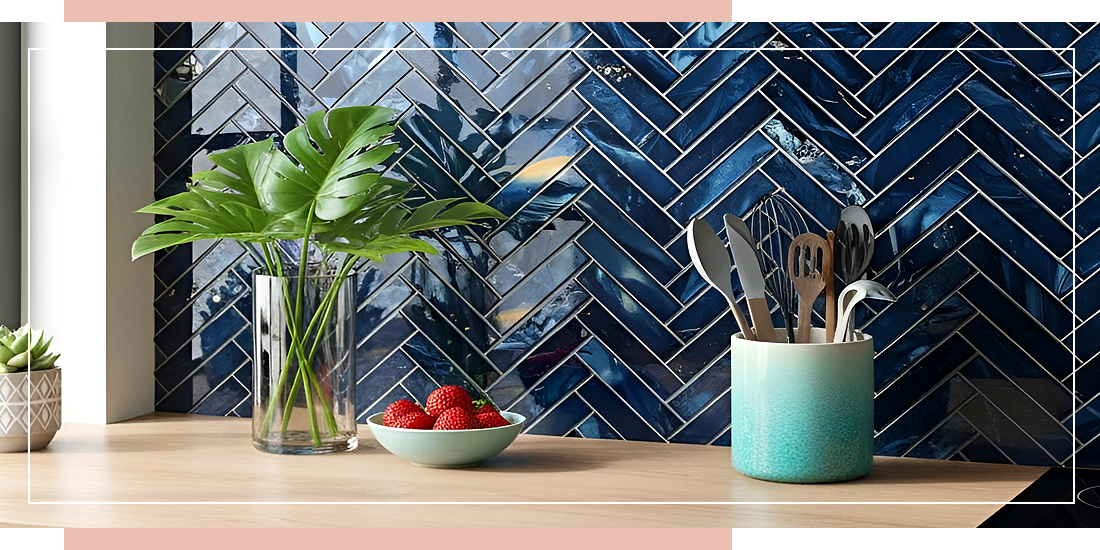
When it comes to looks, glass and ceramic tiles each have their own charm, and the one you choose will set a very different tone in your space.
The visual impact of glass
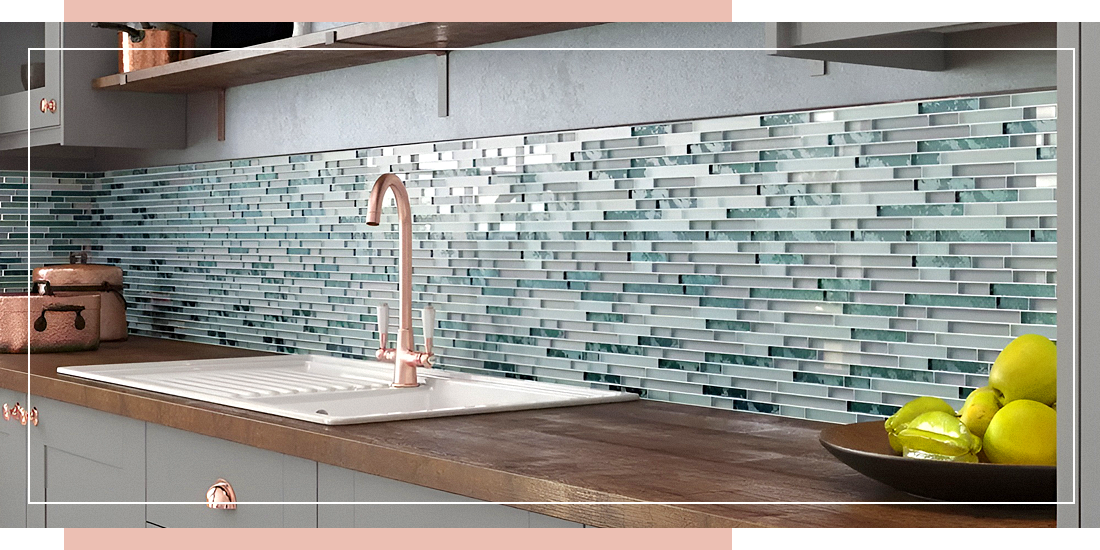
Glass tiles are all about light and sparkle. Their glossy, translucent surface catches and reflects light, creating a sense of brightness and depth that can make even small rooms feel more open. Depending on the angle, you may notice a subtle shimmer or iridescence, which gives glass a luxurious, almost jewel-like quality.
This is why they’re often chosen for splashbacks or feature walls as they add instant elegance without overwhelming the space.
The look of ceramic
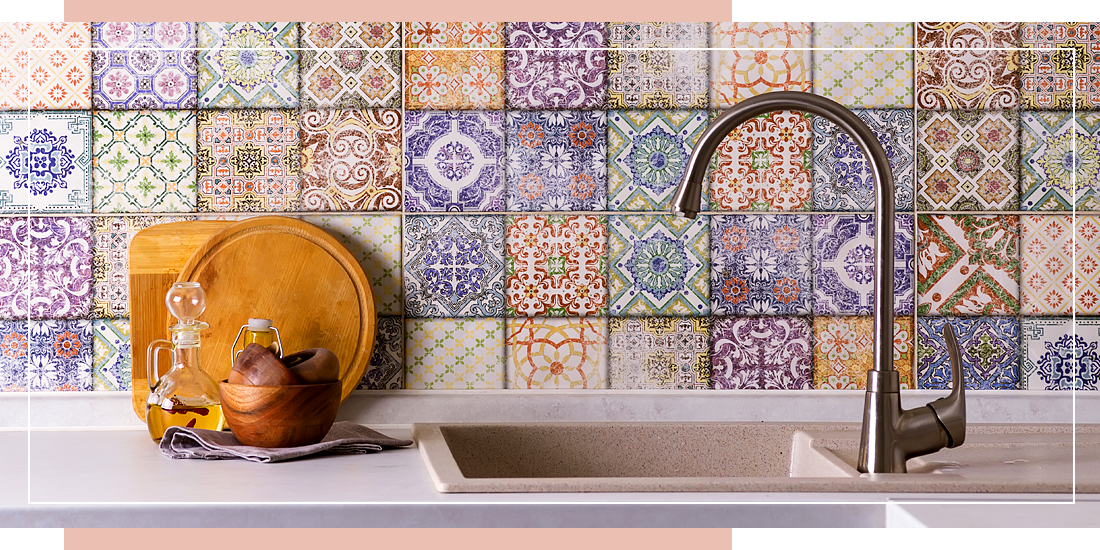
Ceramic tiles, on the other hand, lean into versatility. They come in both matte and glossy finishes, and can range from sleek, modern designs to more rustic, handmade styles with natural variations in texture and tone.
While they may not sparkle the way glass does, ceramics are excellent at delivering warmth, character, and a timeless feel that fits just about any design style, from traditional to contemporary.
Colour and pattern availability
Both glass and ceramic tiles come in a wide range of colours, but how those colours are expressed is different. Glass tends to produce bold, vibrant shades thanks to its translucency, allowing light to enhance the depth of colour.
Ceramic tiles can carry intricate patterns, natural stone or wood looks, and even textured finishes that mimic handmade craftsmanship. This makes ceramics particularly flexible if you want a patterned floor, a classic subway tile wall, or a surface that feels a little more organic.
Best Uses for Each Material
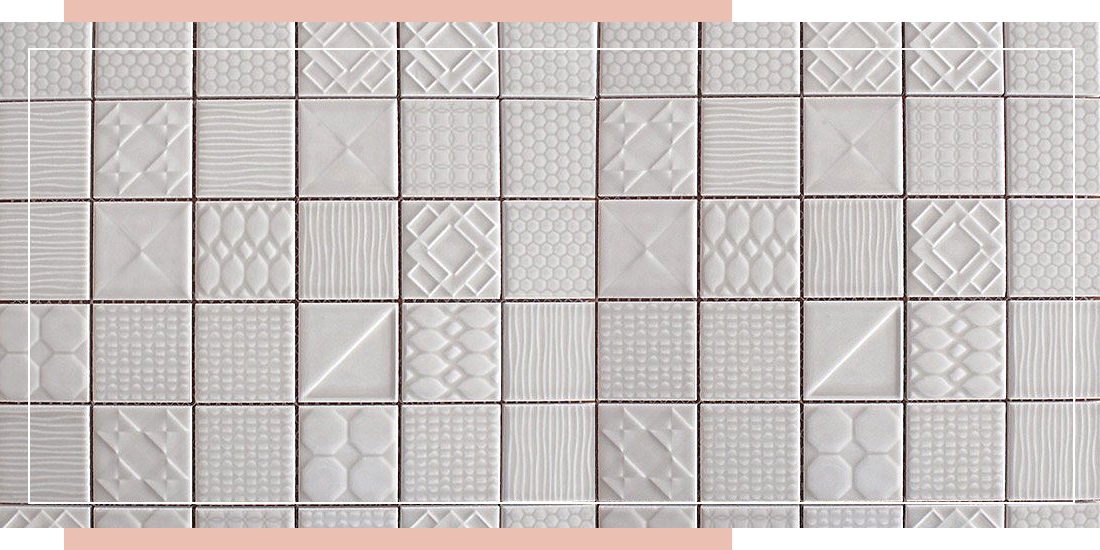
Both glass and ceramic tiles can elevate your home, but they perform best in different areas. Choosing the right one for the right space ensures not only a beautiful finish but also practical, long-lasting results.
Glass Mosaic tiles really shine when used decoratively. Their reflective surface makes them perfect for feature walls, splashbacks, or shower niches, where light can play across the surface and create a sense of brightness and depth.
In smaller or darker rooms, glass can help open up the space, making it feel lighter and more vibrant. While undeniably eye-catching, glass is less suited to heavy foot traffic, so it’s best reserved for walls and accent details rather than floors.
Ceramic Mosaic tiles, by contrast, are the workhorses of home design. Their strength and versatility make them ideal for floors in kitchens, bathrooms, hallways, and entryways, where durability is essential. They also work well on walls, offering finishes that range from sleek and modern to rustic and handmade.
Room-by-room recommendations
-
Kitchens: Use Ceramic for flooring (to withstand spills and foot traffic) and consider glass for a statement splashback
-
Bathrooms: Ceramic floors are slip-resistant and durable, while glass works beautifully in shower niches or feature strips for added style
-
Living spaces: Large-format ceramic tiles create a seamless, sophisticated floor, while a glass accent wall can provide a touch of modern elegance
-
Entryways and utility rooms: Stick with ceramic for its durability and ease of cleaning in high-wear, practical spaces.
Durability and Wear
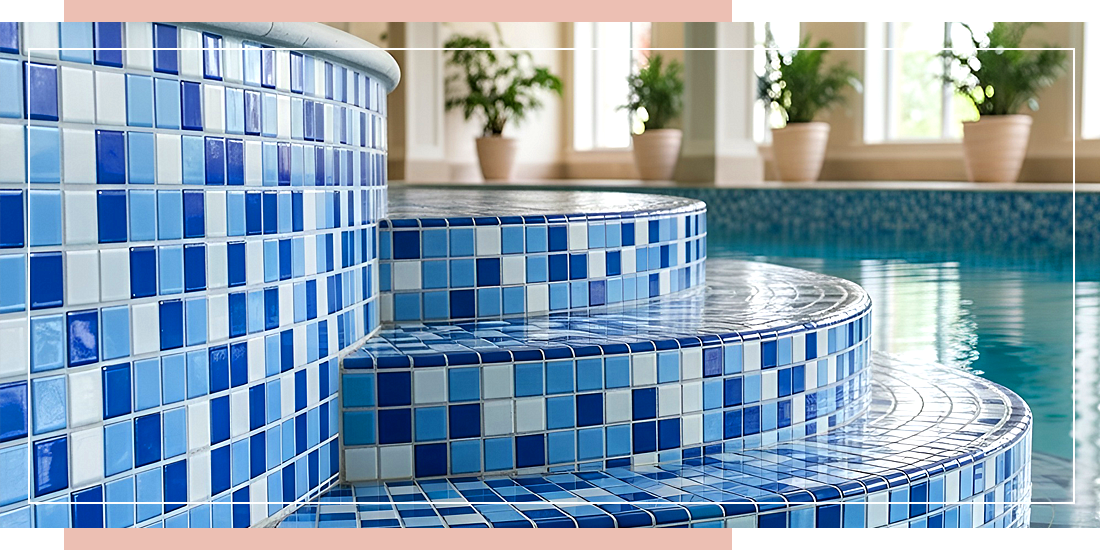
Tiles aren’t just about appearance; they also need to stand up to the realities of daily life. From resisting scratches to coping with moisture, the durability of your chosen material will play a big role in how long it stays looking good.
Factor
Glass Tiles
Ceramic Tiles
Scratch & Chip Resistance
More prone to chips and scratches, best for walls and accents
Tough and impact-resistant, porcelain is especially durable
Moisture Tolerance
Completely non-porous, resists water and stains
Highly resistant; porcelain has very low absorption
Longevity in High-Traffic Areas
Not ideal for floors; scratches show over time
Excellent for floors, hallways, and busy spaces
Where It Excels
Decorative surfaces, wet areas where shine matters
Floors, rugged zones, and areas needing durability
Ease of Cleaning and Maintenance
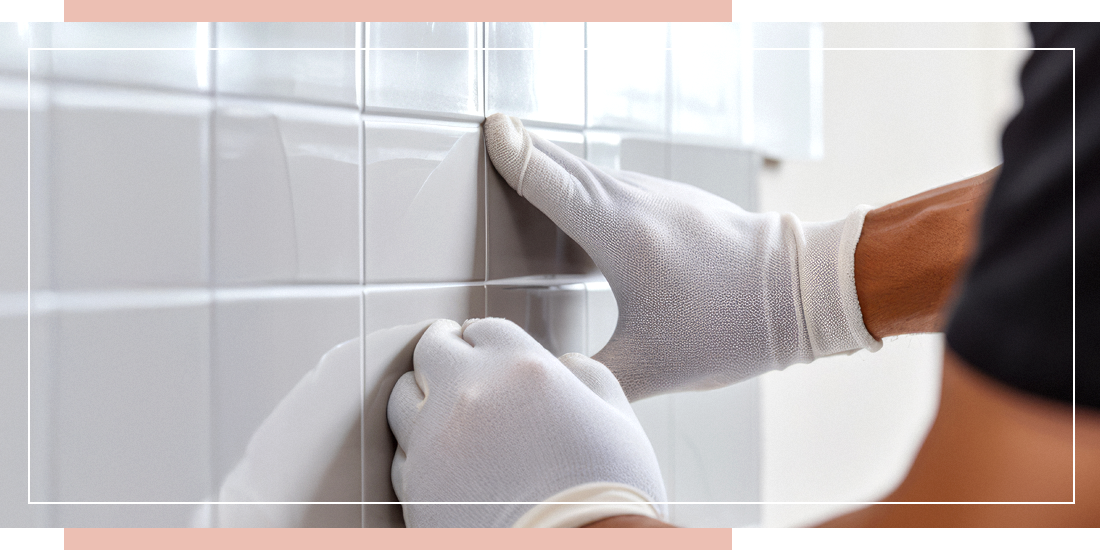
Both glass and ceramic tiles are relatively easy to keep clean, but they show dirt differently.
Glass is completely non-porous, meaning it won’t absorb stains, mildew, or moisture, and a quick wipe usually restores its sparkle. The trade-off is that its glossy surface can highlight smudges, fingerprints, and water spots, which means it may need more frequent attention.
Ceramic tiles, particularly glazed varieties, are also stain-resistant but generally more forgiving of everyday marks. Matte ceramic finishes go one step further, disguising dust and splashes until you’re ready to clean.
Cost Considerations
Budget is often one of the biggest deciding factors when choosing between glass and ceramic tiles. While both materials can add style and value to your home, the upfront price and long-term costs can vary quite a bit. Understanding where those differences come from will help you plan realistically and avoid surprises down the line.
Average Material Costs
On the whole, ceramic tiles are the more budget-friendly option. Standard ceramic is widely available at affordable prices, with porcelain varieties sitting at the higher end but still offering good value for money.
Glass tiles, by comparison, usually come with a premium price tag due to their manufacturing process and visual impact. They are often sold in smaller sheets or mosaics rather than large-format tiles, which makes them better suited to accent areas if you’re working within a budget.
Long-Term Value and Performance Trade-offs
When weighing up costs, it’s worth considering not just the purchase price but also long-term performance. Ceramic, especially porcelain, is incredibly durable and can last for decades, even in busy areas, meaning fewer replacements over time.
Glass holds its colour and shine beautifully, and in low-wear areas it can look as good as new for many years. However, if used in the wrong setting (such as on high-traffic floors) the potential for chips or scratches may shorten its lifespan.
Sustainability and Environmental Impact
For homeowners aiming to make eco-conscious choices, both glass and ceramic tiles have sustainable qualities, but they achieve them in different ways. Looking at recycled content, manufacturing processes, and overall environmental footprint can help you decide which aligns better with your renovation goals.
Factor
Glass Tiles
Ceramic Tiles
Recycled content
Often made from recycled bottles or window glass, giving waste a second life.
Less commonly recycled, though some manufacturers are introducing eco-friendly clay blends.
Manufacturing Impact
Energy-intensive, as glass must be melted at high temperatures. Using recycled material reduces overall footprint.
Clay is abundant, but mining can disrupt landscapes. Kilns require very high heat, often powered by fossil fuels.
Durability & Waste
Long-lasting on walls and splashbacks, though chips may shorten lifespan if used on floors.
Extremely durable, especially porcelain, which can last decades and reduce the need for replacement.
End-of-Life Options
Fully recyclable in areas with proper facilities.
Hard to recycle; usually crushed for use in construction fill rather than remade into tiles.
Which One Is Right for You?
Deciding between glass and ceramic tiles isn’t about choosing a clear winner, it’s about matching the right material to your space, your budget, and your design goals. Here’s how to weigh up the options:
Pros
Cons
Glass Tiles
-
Stunning light reflection and vibrant colours.
-
Non-porous and highly resistant to stains or mildew.
-
Eco-friendly potential when made from recycled glass.
-
More prone to chips and scratches, especially under heavy impact.
-
Shows smudges and water spots easily.
-
Higher cost compared to standard ceramic.
Ceramic Tiles
-
Extremely durable, especially porcelain varieties.
-
Wide range of finishes, styles, and patterns.
-
More affordable and widely available.
-
Long lifespan makes them cost-effective.
-
Harder to recycle at the end of life.
-
Some finishes may require sealing to protect against moisture.
Questions to Ask Yourself
-
Where will the tile be installed - walls, floors, or accents?
-
Is durability or visual impact more important in this space?
-
What level of maintenance are you comfortable with?
-
How important are sustainability and eco-friendly materials to your project?
A Hybrid Approach
In many homes, the smartest choice is to use both. Ceramic is often the winner for floors, entryways, and other high-traffic areas, while glass can bring sparkle and depth to splashbacks, shower niches, or feature walls. By combining the two, you get the best of both worlds: style where it counts, and strength where it’s needed most.
Choosing the Right Tile for Your Home
Whether you lean towards the shine of glass or the flexibility of ceramic, the most important step is matching the right tile to the right space. Think about how each room is used, how much wear it will see, and the kind of atmosphere you want to create.
For example, a busy kitchen floor has very different needs to a luxury bathroom feature wall, and the right tile will serve both function and style in equal measure.
At Mosaic Village, we’re here to help you make the right choice. Explore our wide range of tiling options, or contact us for assistance in choosing the right products for your space.
Mosaic Village Is Rated 'Excellent'
 Don't just take our word for it. Hear what our customers have to say!