Mosaic Tiles: A Straightforward Guide to Everything You Need to Know
Mosaic tiles have been part of interior design for thousands of years, yet they remain just as relevant in modern homes as they were in ancient Roman bathhouses and Byzantine palaces. Known for their decorative detail, visual texture, and remarkable versatility, mosaic tiles are a favourite among designers and homeowners who want to add character to walls, floors, and feature areas.
Whether you’ve come across mosaics in a stylish setting, on your social feeds, or in a design magazine, you may be wondering what exactly they are, how they’re used, and whether they’re right for your interior project.
This guide gives you a complete, expert overview from the basics of how mosaics are made, to the best places to use them and the benefits and considerations to keep in mind when choosing them for your home.
What Are Mosaic Tiles?
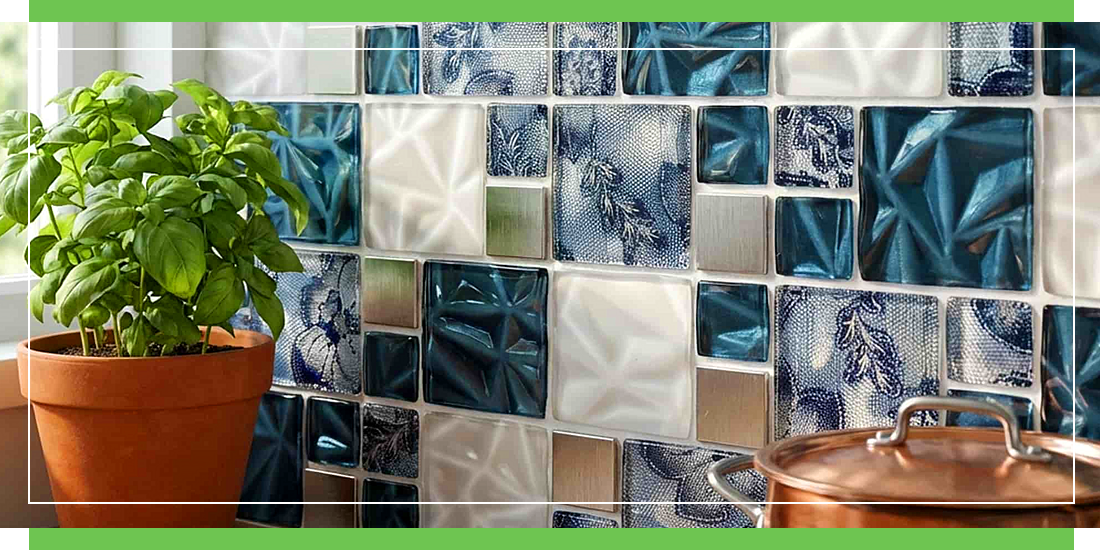
Mosaic tiles are small individual pieces of tile (sometimes called tesserae or chips ) arranged together to create a patterned or decorative surface. These small pieces can be made from a wide variety of materials including glass, stone, ceramic, porcelain, and metal. They’re usually mounted onto mesh sheets, making them far easier to install than traditional individually set mosaics.
Each sheet typically measures around 30x30cm, although other sizes are available too, and contains dozens, sometimes hundreds, of small pieces. These are evenly spaced, carefully aligned, and designed to create a cohesive pattern once installed.
Why are mosaic tiles so distinctive?
Unlike larger tiles, mosaic tiles create more texture, more pattern variation, more visual interest, and ultimately more design possibilities
Even simple designs gain depth and richness thanks to the interplay of grout lines, chip shapes, and different materials.
Why are they popular?
Mosaics are one of the easiest ways to add colour, pattern, architectural detail and individual expression to a space. They can be used in all sorts of ways to make a room truly unique.
Whether used in small doses or across entire surfaces, they offer a level of versatility and creativity few other tile types can match.
The History of Mosaic Tiles: A Brief Overview
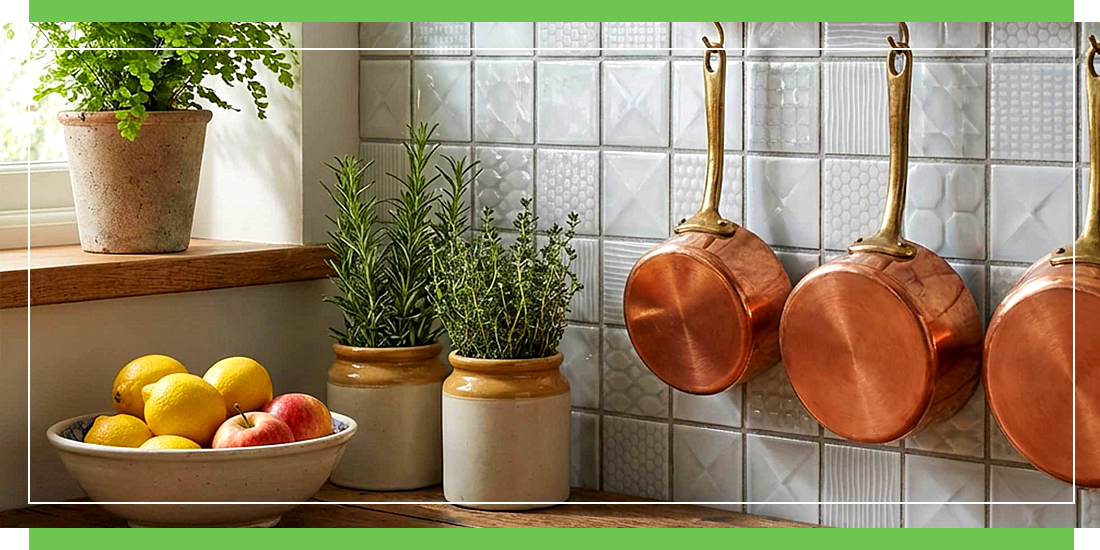
Mosaics date back over 4,000 years, first appearing in Mesopotamia and progressing to the intricate, figurative designs that decorated Greek and Roman architecture. These early mosaics used natural stone pebbles, marble pieces, and coloured glass tesserae to create elaborate scenes and patterns. And many of them still survive today.
During the Byzantine era, mosaics became even more sophisticated, often made with gold leaf and used to decorate religious buildings and palaces.
Today’s mosaic tiles maintain the spirit of this ancient craft but are manufactured with modern precision and materials, allowing for vast choice, consistency, and ease of installation.
What Are Mosaic Tiles Made From?
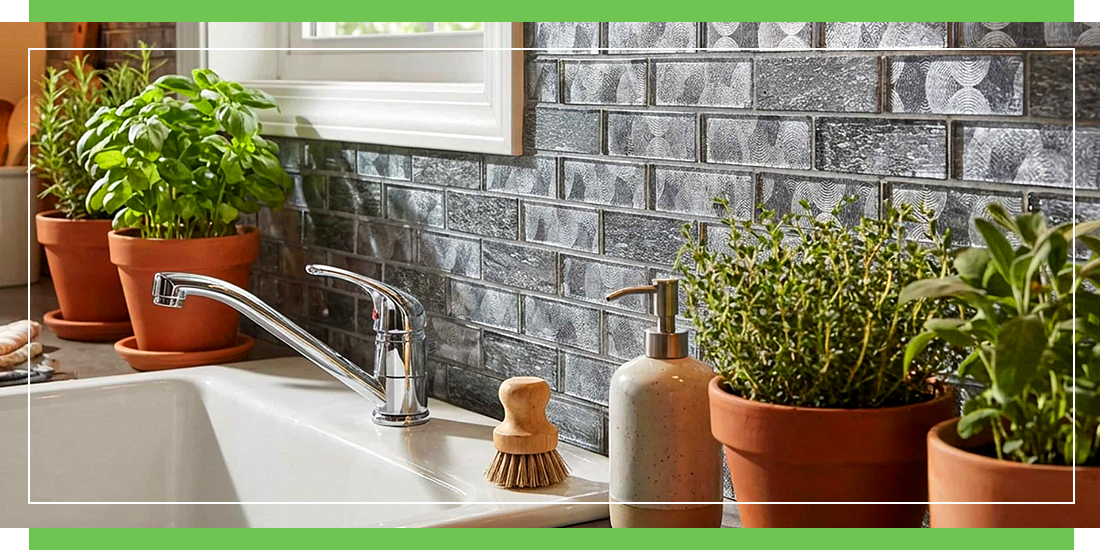
Mosaics can be produced using a wide range of materials, each offering its own aesthetic and practical qualities.
Here are the most common:
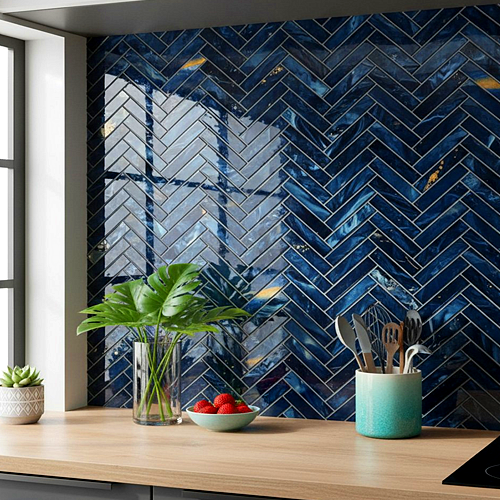
Glass Mosaic Tiles
Glass mosaics are known for their glossy, reflective finish, which bounces light beautifully around a room. They are available in clear, frosted, iridescent, and textured styles, and offer vibrant colour options that are difficult to achieve with ceramic or stone.
Benefits:
-
Extremely water-resistant
-
Highly reflective and ideal for brightening dark spaces
-
Available in a huge range of colours and designs
-
Luminous and translucent qualities add a luxury feel
-
Won’t absorb stains
Best uses:
-
Kitchens
-
Bathrooms
-
Swimming Pools
-
Feature walls
-
Decorative accents
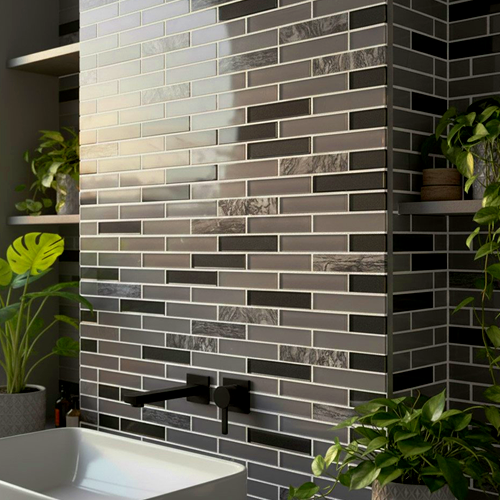
Stone Mosaic Tiles
Stone mosaics include travertine, slate, and limestone. These create a natural, grounded aesthetic with rich textures and organic variation.
Benefits:
-
Natural, timeless look
-
Unique colour variation
-
Tactile texture
-
Luxurious feel
Best uses:
-
Bathrooms
-
Feature walls
-
Floors (depending on slip rating)
-
Spa-inspired designs
Note: Many stone mosaics require sealing.
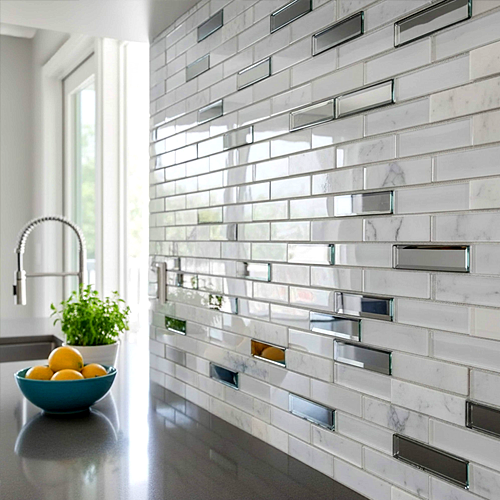
Marble Mosaic Tiles
Marble mosaics are prized for their luxurious feel and distinctive veining. Each piece is naturally unique, giving walls and floors an elegant, high-end appearance that suits both classic and contemporary designs. Available in polished or honed finishes, marble mosaics can range from subtle white Carrara tones to dramatic dark shades, offering incredible design flexibility.
Benefits:
-
Luxurious, high-end aesthetic
-
Natural veining creates unique patterns
-
Adds instant sophistication to any space
-
Cool, smooth surface feel
Best uses:
-
Bathroom feature walls
-
Shower niches
-
Kitchen splashbacks
-
Decorative floor sections (depending on slip rating)
Note: Marble is a natural stone and typically requires sealing to protect against staining and water absorption.
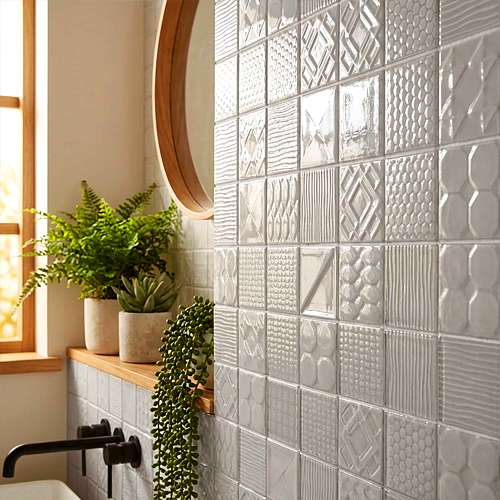
Ceramic Mosaic Tiles
Ceramic mosaics offer excellent affordability and versatility, with endless colour and finish options. Their smooth, glazed surface makes them ideal for decorative wall use.
Benefits:
-
Wide range of colours
-
Budget-friendly
-
Easy to maintain
-
Great for decorative walls
Best uses:
-
Kitchens
-
Bathrooms
-
Borders and accents
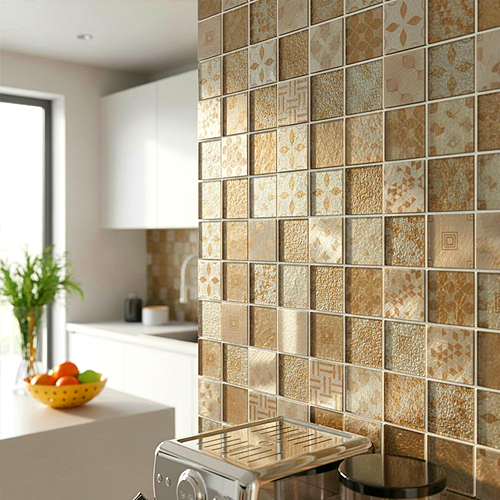
Metal Mosaic Tiles
Metal mosaics, commonly made from stainless steel, aluminium, or copper, bring a sleek, modern aesthetic. They work best in small feature areas where a bold accent is desired.
Benefits:
-
Contemporary, architectural look
-
Reflective and eye-catching
-
Adds industrial or modern character
Best uses:
-
Kitchen splashbacks
-
Feature strips
-
Small decorative areas
How Mosaic Tiles Are Made
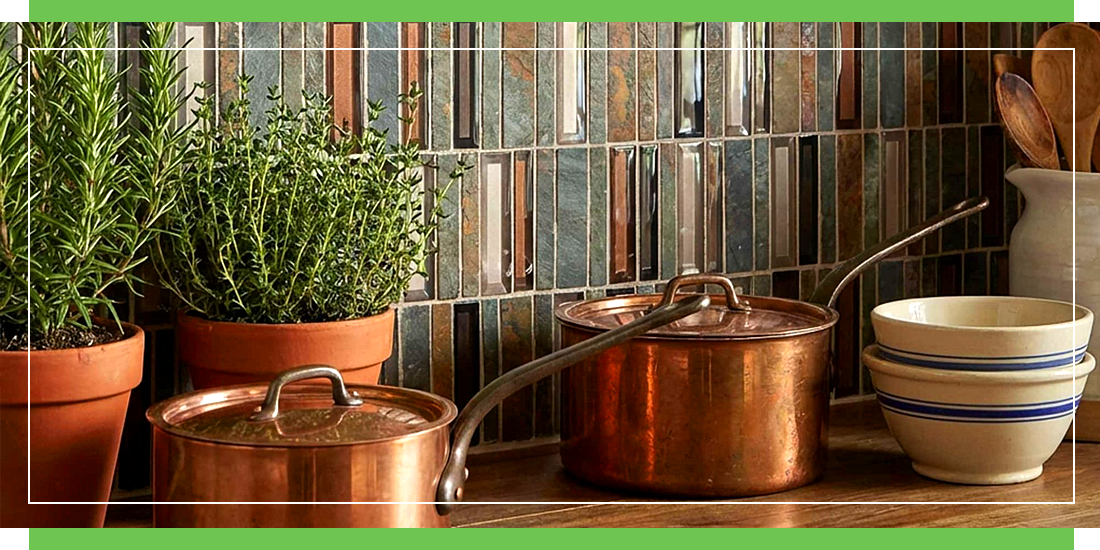
While manufacturing techniques vary, most mosaic tiles go through a similar process:
1. Material preparation: Tiles are cut, moulded, or shaped from raw materials such as clay, stone, or molten glass.
2. Chip cutting: The material is cut into the desired small pieces. These can be square, rectangular, hexagonal, or mixed.
3. Sorting & quality checks: Tiles are checked for uniformity, colour consistency, and surface quality.
4. Arranging the pattern: Individual pieces are carefully placed into their intended design.
5. Mounting to mesh: The mosaic is then adhered to a mesh sheet, usually made from plastic or fibreglass, which keeps spacing consistent and simplifies installation.
6. Final finishing: Polishing, glazing, or matt finishing may be applied depending on the style.
Mosaic Tile Shapes and Patterns
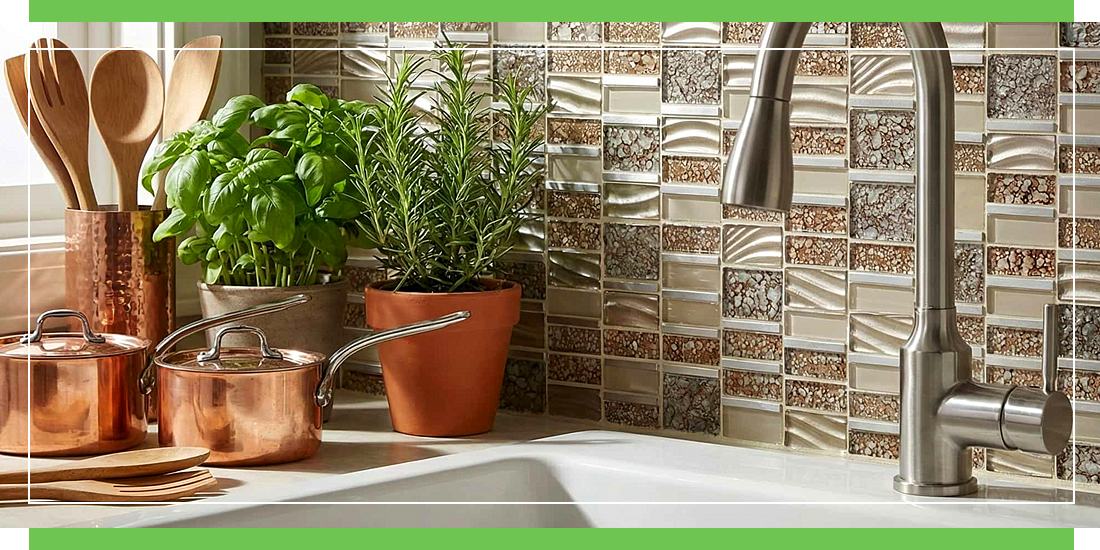
Mosaic tiles are available in a wide variety of shapes and patterns, each offering different design possibilities. Whether you want something classic, contemporary, bold, or subtle, the shape and layout of your mosaics can dramatically change the look and feel of a space.
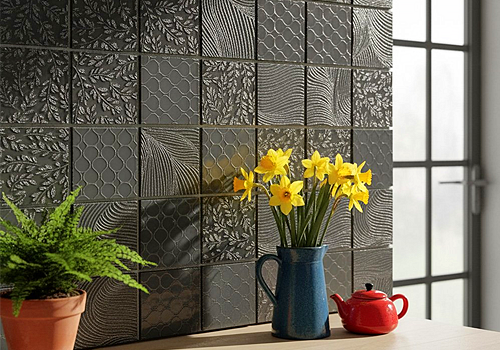
Square
Square mosaics are the most traditional type, offering clean geometry and endless versatility. Their uniformity makes them ideal for creating neat grids or simple, harmonious designs.
Best for:
-
Classic wall designs
-
Minimalist schemes
-
Decorative borders
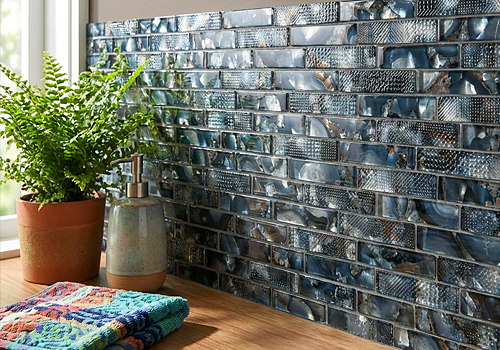
Rectangle
Rectangular mosaics create a sleek, linear appearance that works beautifully in both modern and traditional spaces. Their elongated shape brings rhythm and direction to a room.
Best for:
-
Contemporary bathrooms
-
Splashbacks
-
Feature strips
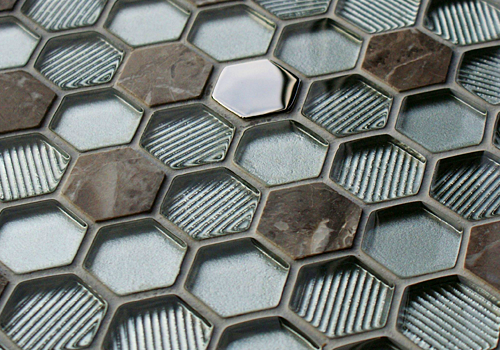
Hexagon
Hexagon mosaics provide a bold, geometric look that instantly adds character. Their honeycomb structure creates striking visual patterns and works well in both small and large areas.
Best for:
-
Feature walls
-
Statement floors
-
Design-led interiors
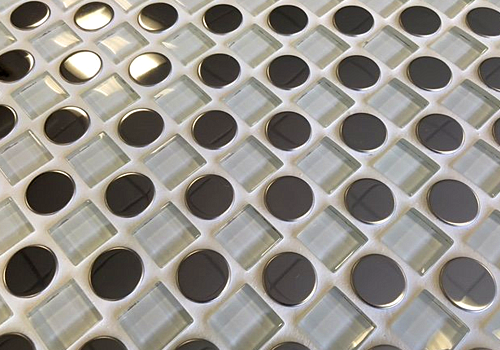
Penny Round
Penny round mosaics offer a soft, playful, circular pattern with plenty of visual charm. They’re great for adding personality, texture, and a vintage-inspired feel.
Best for:
-
Retro schemes
-
Decorative areas
-
Textured feature walls
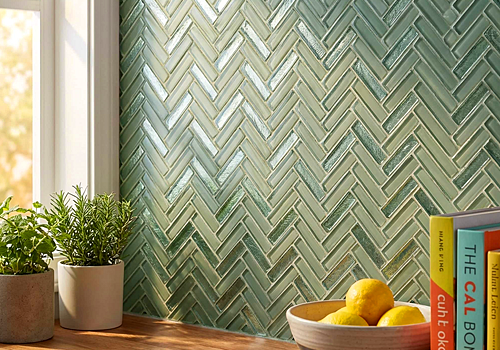
Mixed Shapes
Some mosaics combine different shapes or sizes within a single sheet. They’re perfect for creating more dynamic and artistic effects.
Best for:
-
Accent areas
-
Eclectic interiors
-
Decorative panels
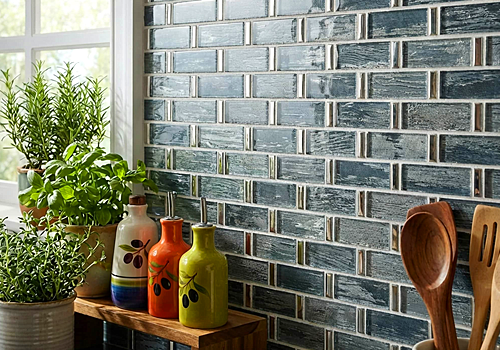
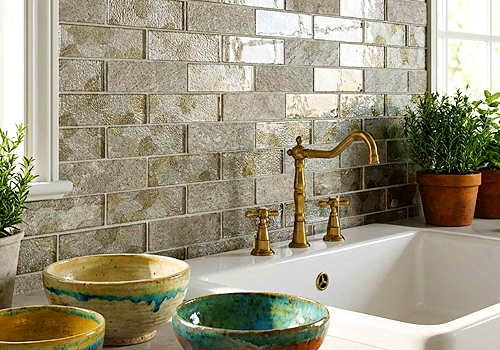
Brick
Brick mosaics replicate the classic staggered brickbond pattern found in traditional brickwork. Each row is offset from the one above, creating a timeless, familiar rhythm that brings effortless style and balance to a space.
Best for:
-
Kitchen splashbacks
-
Bathroom feature walls
-
Vertical or horizontal layouts
Linear
Linear mosaics feature long, narrow pieces arranged in clean, parallel lines. This pattern creates a refined, contemporary look with a sense of flow and direction.
Best for:
-
Shower walls
-
Spa-inspired bathrooms
-
Contemporary kitchens
What Makes Mosaic Tiles Different From Standard Tiles?
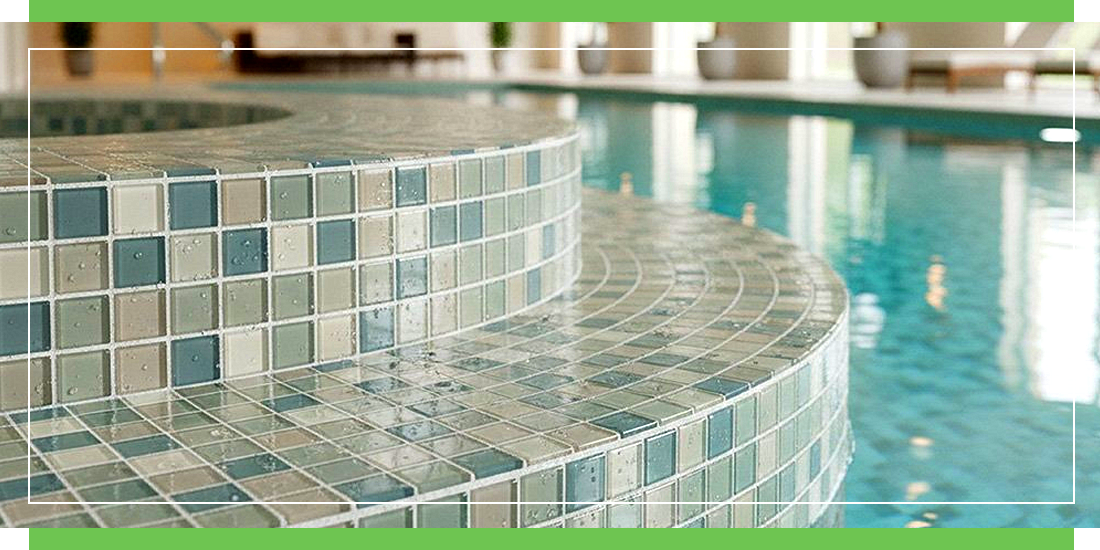
Mosaic tiles differ from larger tiles in several key ways:
Flexibility
Mosaic tiles can wrap around curves, niches, corners, and uneven surfaces much more easily that regular tiles.
Detail and texture
More grout lines and more pieces in a mosaic tiled surface means a lot more visual interest.
Creative freedom
Mosaics make it easy to play with colour, pattern, and layout, with almost infinite possibilities.
Proportion control
Smaller tiles can make compact rooms feel larger, or highlight small architectural features better than full-size tiles.
Precision installation
Mosaic tiles are supplied on mesh sheets to ensure consistent spacing without needing to position individual tiles.
Where Are Mosaic Tiles Used?
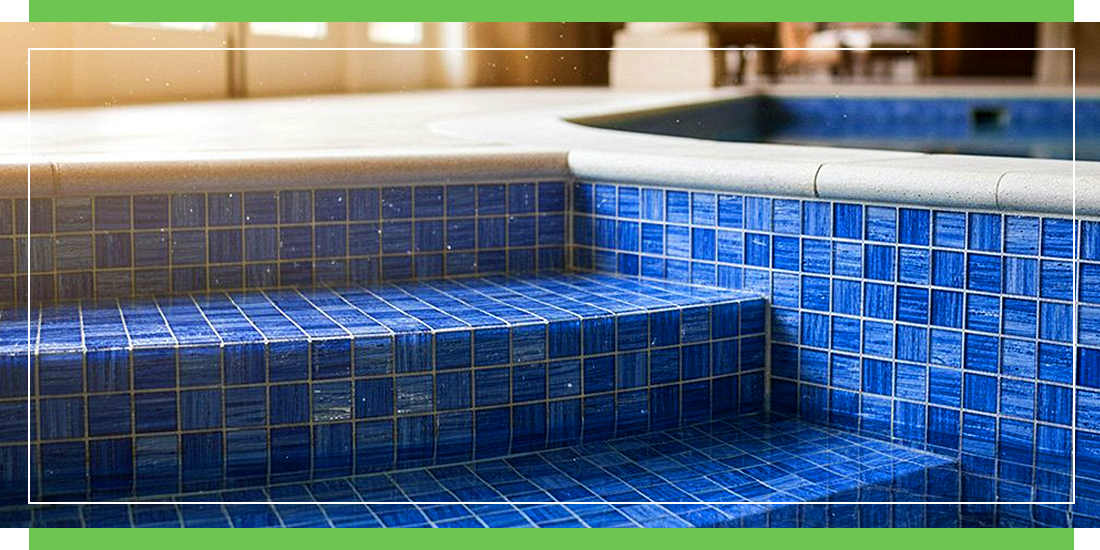
Because of their small scale and flexible sheet format, mosaics can be used almost anywhere. Here are the most common applications:
Kitchens
-
Splashbacks
-
Cooker hood surrounds
-
Feature strips
-
Full-height wall areas
Why mosaics work here: Mosaics add colour and texture to practical areas while offering an easy-to-clean, durable surface that handles heat and moisture well.
Bathrooms
-
Shower walls
-
Feature niches
-
Behind sinks
-
Full wall coverage for a spa-like finish
Why mosaics work here: Their small size makes it easy to tile around fixtures, while additional grout joints can improve slip resistance on floors. Mosaic tiles, especially in glass, perform exceptionally well in moisture-heavy spaces.
Swimming Pools
-
Pool interiors
-
Waterlines and edging
-
Steps and seating areas
-
Surrounding spa zones
Why mosaics work here: Glass mosaic tiles are widely used in swimming pools because they are highly water-resistant, resistant to fading, and able to withstand constant immersion. Their small size allows them to follow curves, corners, steps, and sloped surfaces with precision. They also reflect light beautifully underwater, creating shimmering colour effects that enhance the overall aesthetic of the pool or spa.
Living Spaces
-
Feature walls
-
Alcoves
-
Fireplaces
-
Decorative borders
Why mosaics work here: Mosaics add visual texture and refined detail, making them perfect for areas where you want subtle depth or a bold focal point.
Floors
-
Small bathrooms
-
Entranceways
-
Wet rooms
-
Decorative sections
Why mosaics work here: Porcelain and certain stone mosaics offer excellent strength and slip resistance, making them a practical and stylish flooring choice.
Outdoors
-
Patio accents
-
Water features
-
Garden walls
Important: Porcelain and frost-proof mosaics are ideal outdoors, offering weather resistance and long-lasting durability even in changing UK climates.
12 Benefits of Mosaic Tiles
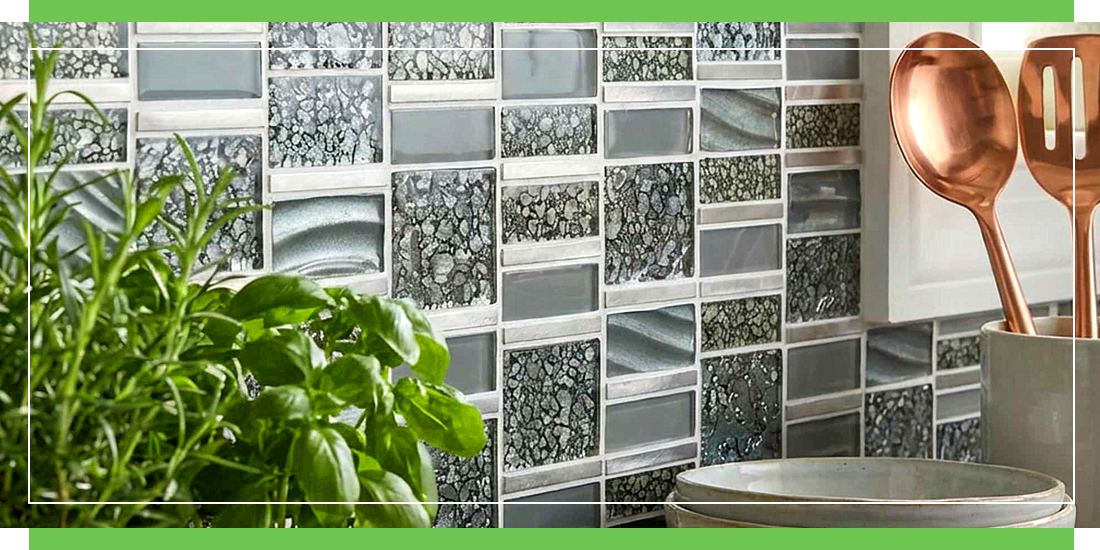
Mosaic tiles remain popular across modern homes for good reason. Their unique combination of practicality, design versatility, and aesthetic flexibility makes them suitable for both everyday use and high-impact feature areas.
Let’s look at some of the key benefits that make mosaic tiles such a reliable and inspiring choice for interior design.
1. Exceptional Design Versatility
One of the greatest strengths of mosaic tiles is their extraordinary range of design possibilities. Whether you want a subtle, tonal finish or a bold, contrasting statement, mosaics make it easy to achieve your desired look.
This means mosaics can complement virtually any interior style, from clean, contemporary schemes to decorative, traditional designs.
With mosaics, you can choose from:
-
countless colours
-
a variety of materials
-
numerous shapes
-
multiple finishes
2. They Add Texture, Depth, and Visual Interest
While large-format tiles create sleek simplicity, mosaic tiles bring texture, rhythm, and dimensional detail. The combination of small pieces and grout joints introduces gentle movement, adding life to otherwise plain surfaces. Even a small area of mosaic can transform a space by creating a focal point or adding a layer of sophistication
This makes mosaics especially impactful in:
-
alcoves and niches
-
shower walls
-
behind sinks
-
splashbacks
-
feature panels
3. Flexible Enough for Small or Detailed Areas
Mosaics excel where larger tiles struggle. This makes them perfect for spaces such as shower recesses, rounded edges, decorative borders, and narrow splashbacks. Their small scale and mesh-sheet format allow them to cover:
-
curved surfaces
-
tight corners
-
uneven or awkward areas
-
compact rooms
-
detailed architectural features
4. They Are Easy to Install and Shape
Unlike traditional, individually laid mosaics of the past, modern mosaic tiles are supplied on mesh-backed sheets, making installation significantly quicker and more precise. This practicality is a major reason mosaics continue to be widely used in kitchens and bathrooms. Benefits for installation include:
-
consistent spacing and alignment
-
easier layout adjustments
-
easy cutting around fixtures
-
reduced installation time
-
DIY-friendly compared to individually set tiles
5. Excellent Performance in Wet Areas
Many mosaic materials, especially glass and ceramic, perform exceptionally well in moisture-rich environments. Because mosaics have more grout joints than large tiles, they can also offer improved slip resistance when used on floors. This makes mosaics ideal for:
-
showers
-
wet rooms
-
splash-prone kitchen areas
-
areas around baths and basins
-
swimming pools
-
spa areas
6. They’re Durable and Long-Lasting
Well-installed mosaic tiles can last for decades. Glass mosaics are particularly known for their strength and resistance to:
-
water
-
staining
-
temperature changes
-
everyday wear and tear
Natural stone mosaics are also highly durable but typically require sealing for best long-term performance.
7. Easy to Replace Small Sections
Because mosaics are made up of many small pieces, it’s often possible to replace only a section or sheet if damage occurs, without needing to redo the entire area. This makes maintenance more convenient and cost-effective over the long term.
8. Great for Enhancing Light and Space
Certain mosaic types, especially glass and iridescent styles, reflect and refract light beautifully. They help brighten a space and create elegant, shimmering effects, which makes them a great choice for:
-
small bathrooms
-
kitchens with limited natural light
-
corners or recesses
-
darker hallways or living spaces
9. Ideal for Creating Borders, Accents, and Feature Areas
Because of their scale and design options, mosaics allow you to add personality without overwhelming a room. This makes the an excellent option for:
-
feature strips
-
decorative borders
-
fireplace surrounds
-
shower niches
-
statement walls
10. Suitable for Both Traditional and Contemporary Styles
Mosaics are one of the few tile types that genuinely work in any design era. This adaptability means mosaics stay in fashion far longer than many trend-led materials. They can create:
-
classic looks using marble or neutral tones
-
modern looks with glass, metal, or structured shapes
-
vintage charm with square or brick pastels
-
spa-like calm with glass or natural stone
11. Available Across a Wide Range of Price Points
Whether you're working with a tight budget or aiming for a luxury finish, there’s a mosaic style to match. This makes mosaics accessible for all types of renovation projects.
Ceramic simple glass mosaics are affordable and practical, while marble and more complex glass designs offer premium visual impact.
12. They’re Great For Defining Zones in Open-Plan Spaces
Because they add texture and detail, mosaics are an excellent tool for defining areas within a room. They provide subtle separation without the need for structural changes, such as:
-
behind a cooker
-
above kitchen worktops
-
within a shower enclosure
-
around a bath
-
around a fireplace
-
highlighting a vanity area
-
around shelving recesses
Are Mosaic Tiles Right for Your Home?
Mosaic tiles are a great choice if you want to add character, texture, or colour to your home. They’re just as effective when used sparingly (e.g., a shower niche or splashback) as they are across an entire wall or floor.
They’re suitable for almost any area of the home, but are especially well-suited to bathrooms, kitchens, pools, and decorative areas where you want a design choice that stands out from the rest of the space.
They suit contemporary and traditional homes alike, so if you want a tile that combines style, flexibility, and practicality, mosaics are worth strong consideration.
If you have any queries about using mosaics in your home, or how to get the best out of them, get in touch with our team for a chat about your project.
FAQs
Mosaic Village Is Rated 'Excellent'
 Don't just take our word for it. Hear what our customers have to say!