Are Mosaic Tiles In Style
or Dated? How to Use
Them For Timeless Interiors
When people ask whether mosaic tiles are in style, if they’re on-trend, or if they're dated, they’re rarely asking about fashion in the usual sense. More often, they’re planning a bathroom, refreshing a kitchen, or choosing finishes they want to live with for the foreseeable future, and they’re wondering whether they’re about to make a choice they’ll still be in love with a few years down the line.
That concern is completely understandable. Mosaic tiles are distinctive, and when something stands out, it’s only natural to think about longevity. But the reality is that mosaics themselves don’t go in and out of style in the way colours or patterns do. What changes over time is how they’re used.
In this guide, we’ll look at why mosaic tiles have remained relevant for so long, how their use has evolved, and what actually helps them feel considered, modern, and long-lasting in real homes.
Key Takeaways
-
Mosaic tiles themselves don’t go out of style; how they’re used is what changes over time.
-
Designs tend to date when mosaics are overused or heavily trend-driven, not because the format is outdated.
-
Using mosaics in defined areas, rather than across entire surfaces, helps them feel balanced and long-lasting.
-
Pairing mosaics with simpler tiles creates contrast and prevents visual overload.
-
Choosing materials for performance and character, rather than short-term trends, leads to more timeless results.
Why Mosaic Tiles Don’t Go Out of Style
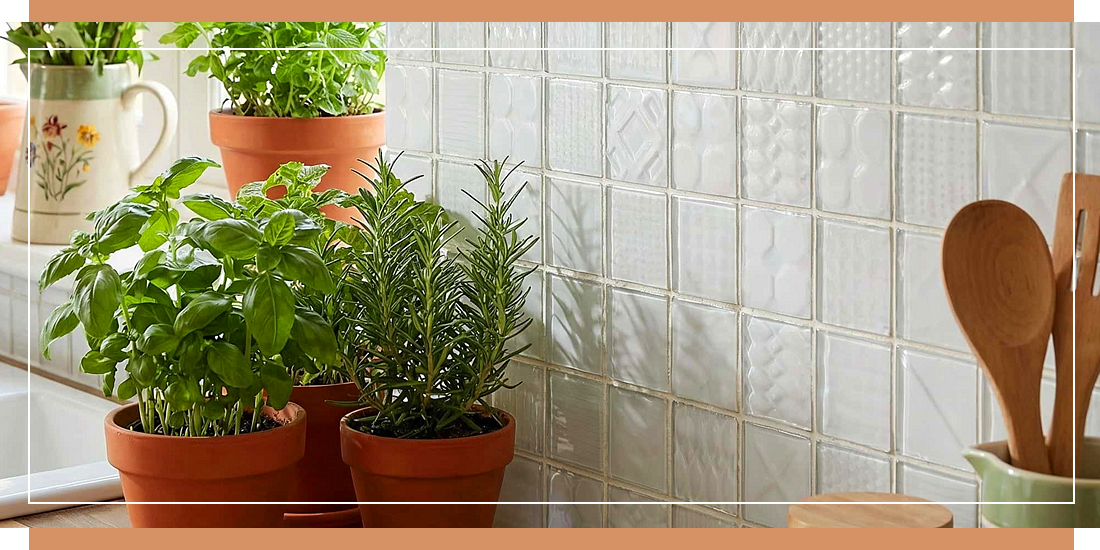
Mosaic tiles have been used in interiors for thousands of years and have been popular long before modern design trends existed. That alone tells you that mosaics aren’t anchored to short-lived design cycles or passing fashions.
One of the main reasons mosaics endure is that they’re a format, not a style. Small tiles arranged together can take on countless appearances depending on the material, colour, layout, and context. The same basic format has been used in everything from classical architecture to contemporary minimalist homes.
Rather than being replaced by newer tile formats, mosaics have adapted alongside them. As interiors have changed, mosaics have changed too. They’ve become simpler and more intentional in their use, while benefiting from modern materials, manufacturing, and design techniques.
In practical terms, this explains why mosaics themselves rarely date in isolation. When mosaics are part of an interior that feels outdated, it’s usually because of how they’ve been used within that scheme, not because the format itself has fallen out of favour.
How Mosaic Tile Use Has Changed Over Time
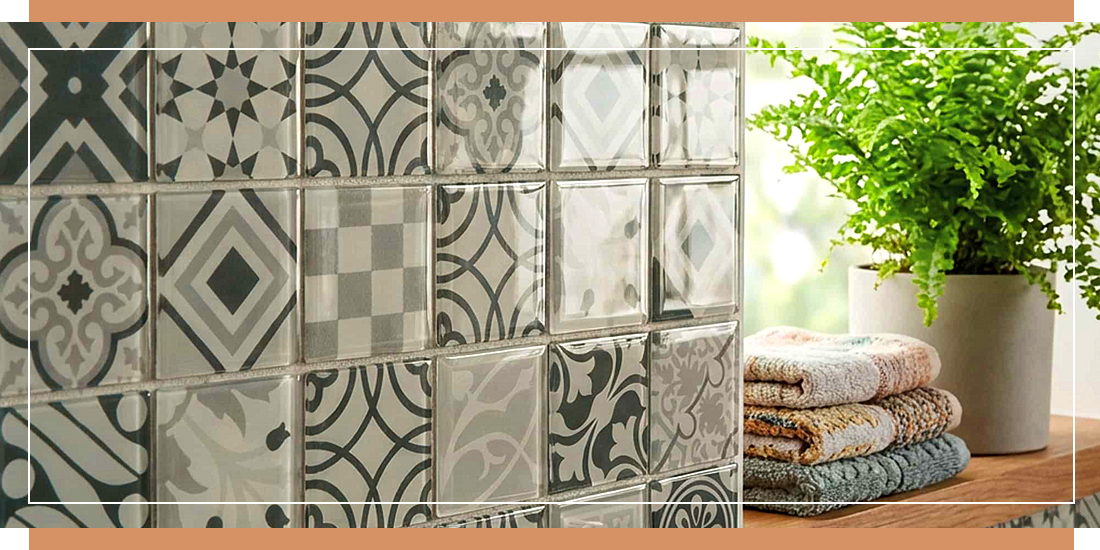
In the past, mosaic tiles were often used as the main decorative surface in a room. Entire walls, floors, or large areas would be covered in intricate patterns, because that was the design language of the time. Detail and decoration were celebrated, and mosaics were an obvious way to add both.
Read more: The History & Evolution of Mosaic Tiles
As interior design has evolved, the way mosaics are used has changed with it. Today, design tends to favour balance, combining calm, open surfaces with moments of texture and detail. Mosaic tiles fit naturally into that approach, especially when they’re used in a focused and considered way.
Rather than being used everywhere, mosaics are now most commonly used to:
-
Highlight specific areas such as splashbacks, niches, and feature panels
-
Add texture and depth where large-format tiles might feel flat
-
Introduce detail without overwhelming the space
This shift is about them being used more selectively and with greater design intent. Larger tiles now provide visual calm and continuity, while mosaics bring interest, personality, and tactile detail exactly where it’s most effective.
Because of this change in approach, mosaics are often easier to use well today than they were in the past. That means they’re far less likely to feel overpowering or dated when they’re applied with balance in mind.
How to Use Mosaic Tiles in a Timeless Way
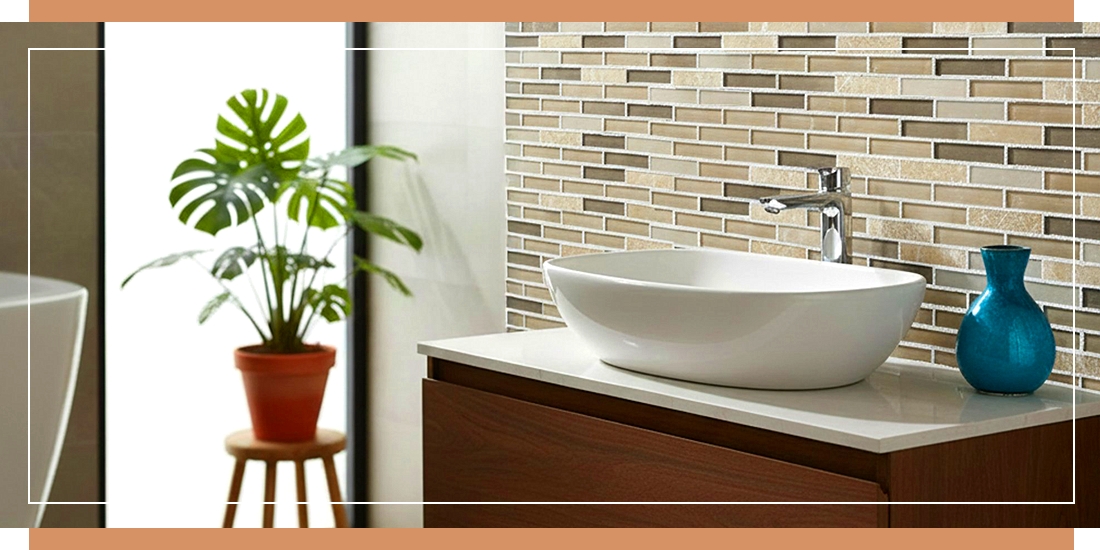
If your goal is a design that still feels right years from now, how you use mosaics matters far more than chasing any particular trends that may be temporarily in style. Timeless mosaic designs tend to have one thing in common, and that’s that they feel deliberate rather than decorative for decoration’s sake.
Use mosaics as features, not defaults
Mosaic tiles tend to work best in defined areas such as splashbacks or shower walls. Used this way, they feel intentional and purposeful, drawing the eye without overwhelming the room.
Covering every surface with mosaics can sometimes dilute their impact. Using them as features allows their texture and detail to stand out, while giving the rest of the space room to breathe.
Pair mosaics with simpler tiles
One of the most effective ways to future-proof mosaic designs is to combine them with larger, plainer tiles. Larger tiles create visual calm and continuity, while mosaics introduce contrast, texture, and interest.
This balance helps prevent the overall design from feeling too busy and allows mosaics to act as an accent rather than the dominant surface.
Let materials lead, not trends
Materials such as glass, natural stone, and marble have inherent qualities that go beyond trends. Choosing mosaics by prioritising their material character, durability, and suitability for the space helps create designs that age gracefully.
When materials are chosen for what they do well, rather than how fashionable they are, the result tends to feel more grounded and enduring.
Think carefully about scale and proportion
Because mosaic tiles are small, they naturally create more visual detail than larger tiles. In larger spaces, simpler mosaics with subtle colour variation usually scale better, while intricate patterns and high contrast are best reserved for smaller areas.
Matching the complexity of the mosaic to the size of the space helps maintain balance and avoids designs that feel overwhelming once installed.
For example, using beautiful contrasting mosaics in one area of a small bathroom, such as inside a shower enclosure or behind a sink, can instantly elevate the space even if all other elements of the design stay the same.
Our design experts say: “The mosaics that age best are almost always the ones that aren’t trying too hard. When they’re used to complement and thoughtfully enhance the space, rather than dominate it, they tend to look good for a very long time.”
Do Mosaic Tiles Work in Modern Homes?
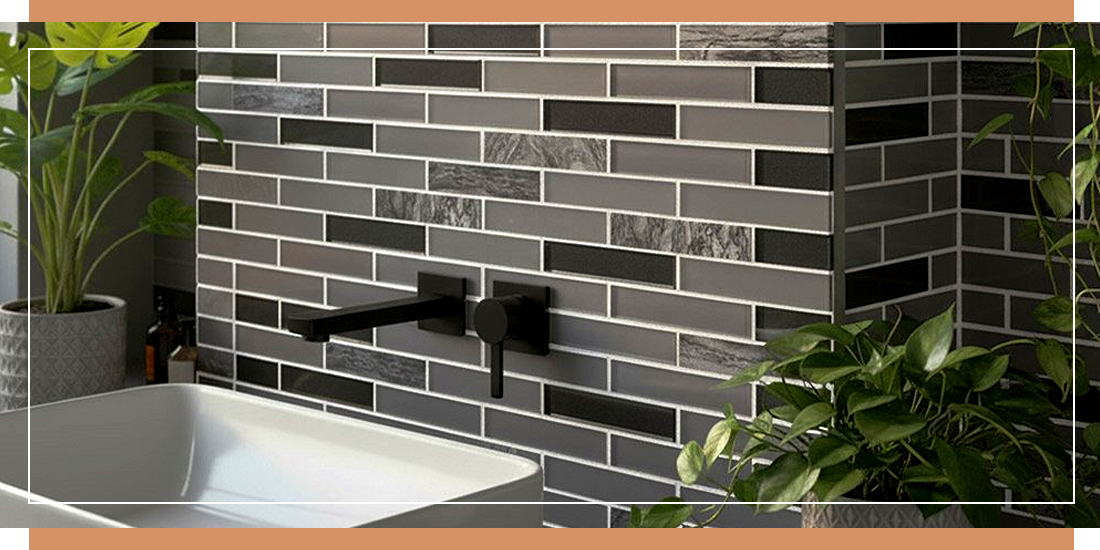
Absolutely. Mosaic tiles work very well in modern homes when they’re used for a purpose.
Modern interiors often prioritise clean lines, open surfaces, and a sense of simplicity. In this context, mosaics serve a slightly different role than they might have in the past. Rather than being used purely as decorative elements, they add texture, subtle pattern, and visual interest in a controlled, deliberate way.
Mosaics are particularly effective in kitchens and bathrooms, where large-format tiles can sometimes feel flat or clinical on their own. Introducing mosaics in the right places helps to soften these surfaces and add depth without disrupting the overall simplicity of the space.
They also work well in modern schemes because of their flexibility. Mosaics can be precisely tailored to suit minimalist, transitional, or contemporary interiors simply by adjusting material, colour, finish, and placement.
When used thoughtfully, mosaic tiles are a great way to enhance modern design, providing detail where it’s needed and restraint where it matters.
Our design experts say: “In modern homes, a common issue is that large, flat surfaces can feel cold or impersonal. Introducing mosaic tiling in the right areas adds texture and depth, which helps a space feel layered and finished rather than sterile. It’s often the detail that makes the room.”
What Actually Makes Mosaic Tiles Feel Dated
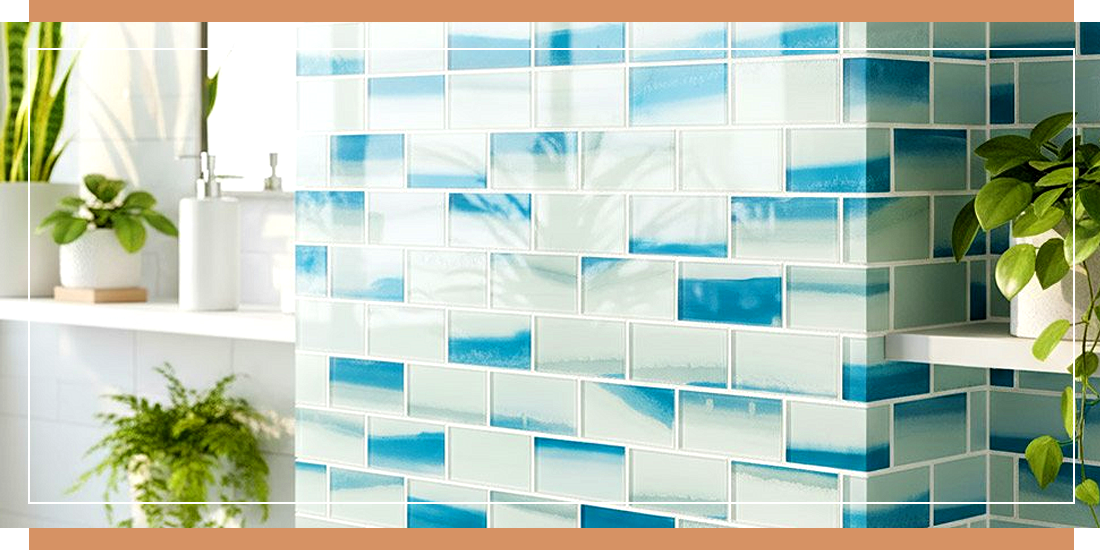
Once you understand how mosaic tiles work best in a space, it becomes much easier to spot the choices that tend to age less gracefully. In our experience, mosaic installations that feel dated after a few years usually share a few common traits, but importantly, they’re all easy to avoid.
Overly busy designs used everywhere
Highly decorative mosaics covering large areas can quickly overwhelm a space. What feels striking at first can become visually tiring over time, particularly in rooms where there’s nowhere for the eye to rest.
Using intricate mosaics across entire walls or floors often leaves little contrast within the design, which can make the space feel cluttered rather than considered.
High-contrast grout across large surfaces
Strong contrast between tile and grout can look very graphic and bold. While this can actually look superb in small doses, using it extensively often dates more quickly than softer, more blended combinations.
High-contrast grout draws attention to every individual tile, which can make large mosaic installations feel busy and visually heavy.
Read more: A Guide to Grouting Mosaic Tiles
Trend-led colours without balance
Certain colours rise and fall in popularity. When mosaics rely heavily on a single trend colour without being balanced by neutral elements or simpler surfaces, they can feel outdated once the next trend comes along.
Designs that combine trend-led colours with more timeless materials or layouts tend to age far better. For example, this could mean using a colourful tile for a feature wall in a room, alongside wood, stone and other more neutral tiling.
Overuse of statement finishes
Metallics, iridescent finishes, and very glossy mosaics can look fantastic when used intentionally. However, when they dominate a space rather than accent it, they’re more likely to feel dated. These finishes are usually most effective when used sparingly, allowing them to stand out without overwhelming the overall design.
The common thread here isn’t mosaic tiles themselves, but overuse and lack of restraint. When mosaics are applied thoughtfully and in balance with other surfaces, they’re far less likely to feel dated over time.
Should You Choose Mosaic Tiles Based on Trends?
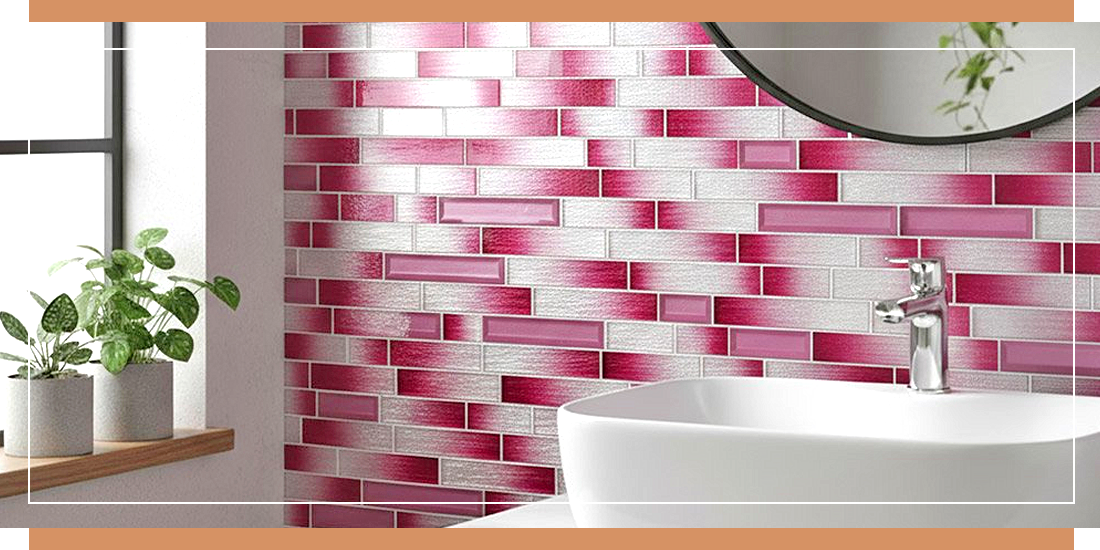
Trends can be useful as a reference point, but they shouldn’t be the foundation of your decision when choosing mosaics or any other style of tiling. Designs driven purely by trends tend to date more quickly because they’re tied to a specific (and often fleeting) moment in time, rather than how a space actually functions.
If you want a mosaic design that lasts, it helps to prioritise:
-
Suitability for the space: How the area is used, how much moisture it’s exposed to, and how much wear it will experience should always come first.
-
Material performance: Choosing materials that handle water, cleaning, and daily use well will always matter more than whether a colour or finish is currently popular.
-
Balance and scale: Thoughtful layouts and proportion tend to age better than bold, all-over designs driven by trend aesthetics.
-
Personal preference over fashion: Trends come and go, but a design you genuinely like and feel comfortable with is far more likely to stand the test of time.
That’s not to say you should ignore trends completely. They can be great as a source of inspiration to help spark creative ideas or highlight new ways of using mosaics. But letting practicality, context, and personal taste lead the decision usually results in a more timeless outcome.
How To Think About Mosaic Tiles
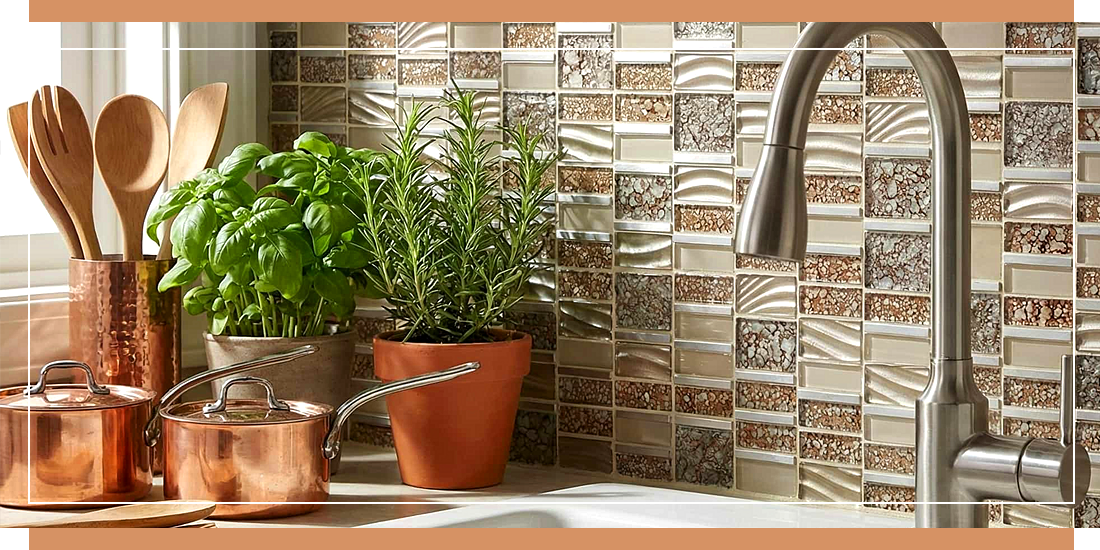
Mosaic tiles don’t go in and out of style in the way finishes or colours do. What changes over time is how they’re applied. From how much they’re used, to where they’re placed and how they relate to the rest of the space.
When mosaics feel dated, it’s usually because they’ve been used without enough balance or restraint, or as part of a very trend-focused design scheme. But when used thoughtfully, mosaics adapt easily to a wide range of different interiors, from traditional homes to modern spaces.
If you think about mosaic tiles as a design tool rather than a statement in their own right, they become far easier to use well. They’re a tool that enables you to:
-
Add depth and texture so rooms feel interesting and inviting
-
Define zones so spaces feel well planned and purposeful
-
Elevate a design with just the right amount of additional high-end finishing
Focus on context, proportion, and purpose, and mosaics will remain relevant long after short-term trends have passed.
FAQs: Mosaic Tiles and Timeless Design
Mosaic Village Is Rated 'Excellent'
 Don't just take our word for it. Hear what our customers have to say!